

NEWS
Blank Chalkboards, Roses, and Our Attention: Congo Peace School and Peace in the Midst of War, with Messages from the Students
“As long as there is no justice, millions of peace agreements can be signed but nothing will change on the ground if the perpetrators are not held accountable.” – Amani Matabaro
With the distant pops of gunfire and threat of encroaching war part of daily life, it’s hard to imagine how the students at the Congo Peace School (CPS) are still laughing and playing on the school’s campus, and yet they are. They are, also, stressed and shaken from passing armed soldiers on their walks to school, from learning that a friend or family member was killed.
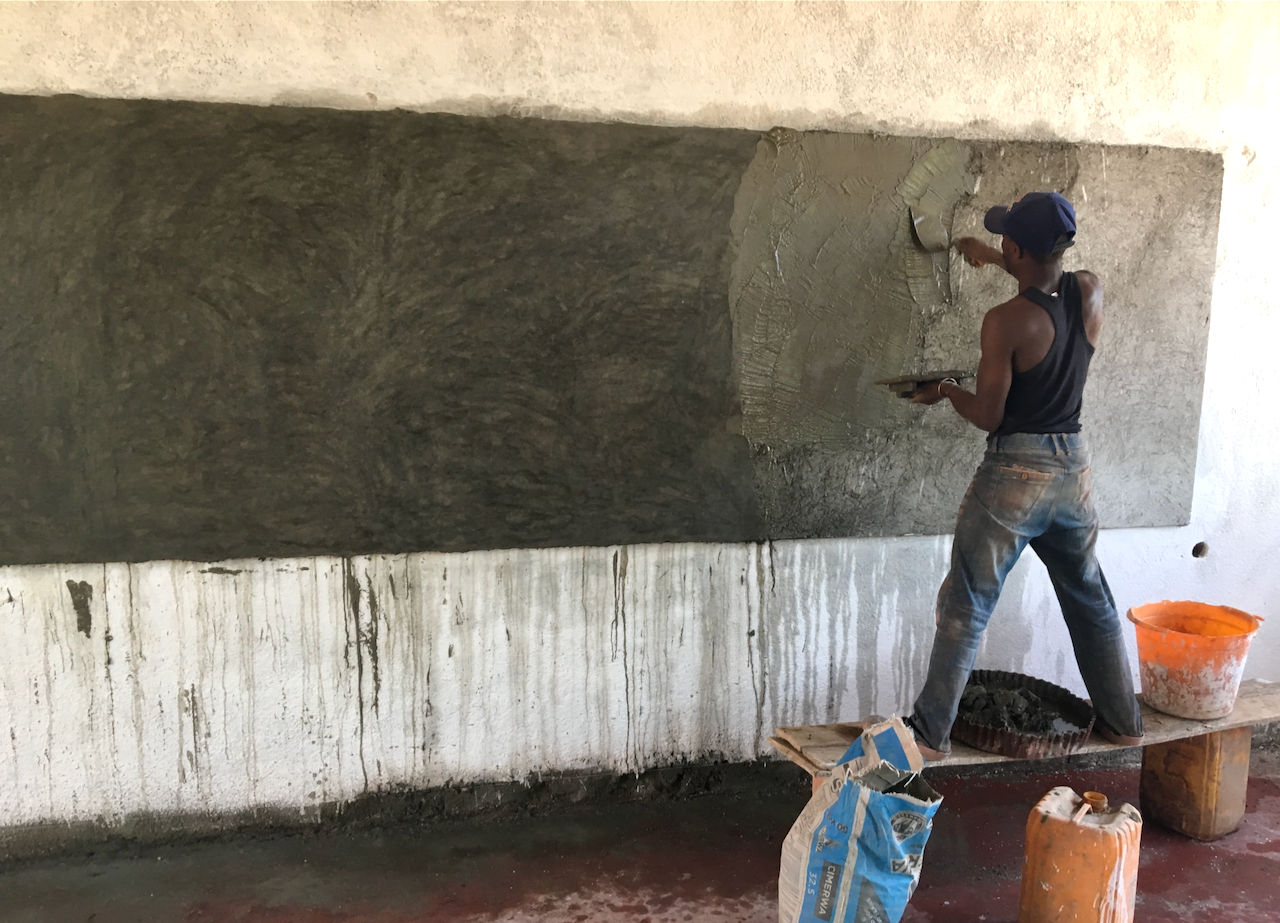
I’ve been to the Congo Peace School several times, from its construction in 2018, when I ducked under beams and watched a section of blank wall painted into a blackboard. A rectangle now demarcated by a deep charcoal color that holds anticipation and the unknown – future mathematical challenges to be puzzled out on it, a space to hold language and stories written by small hands gripping chalk.
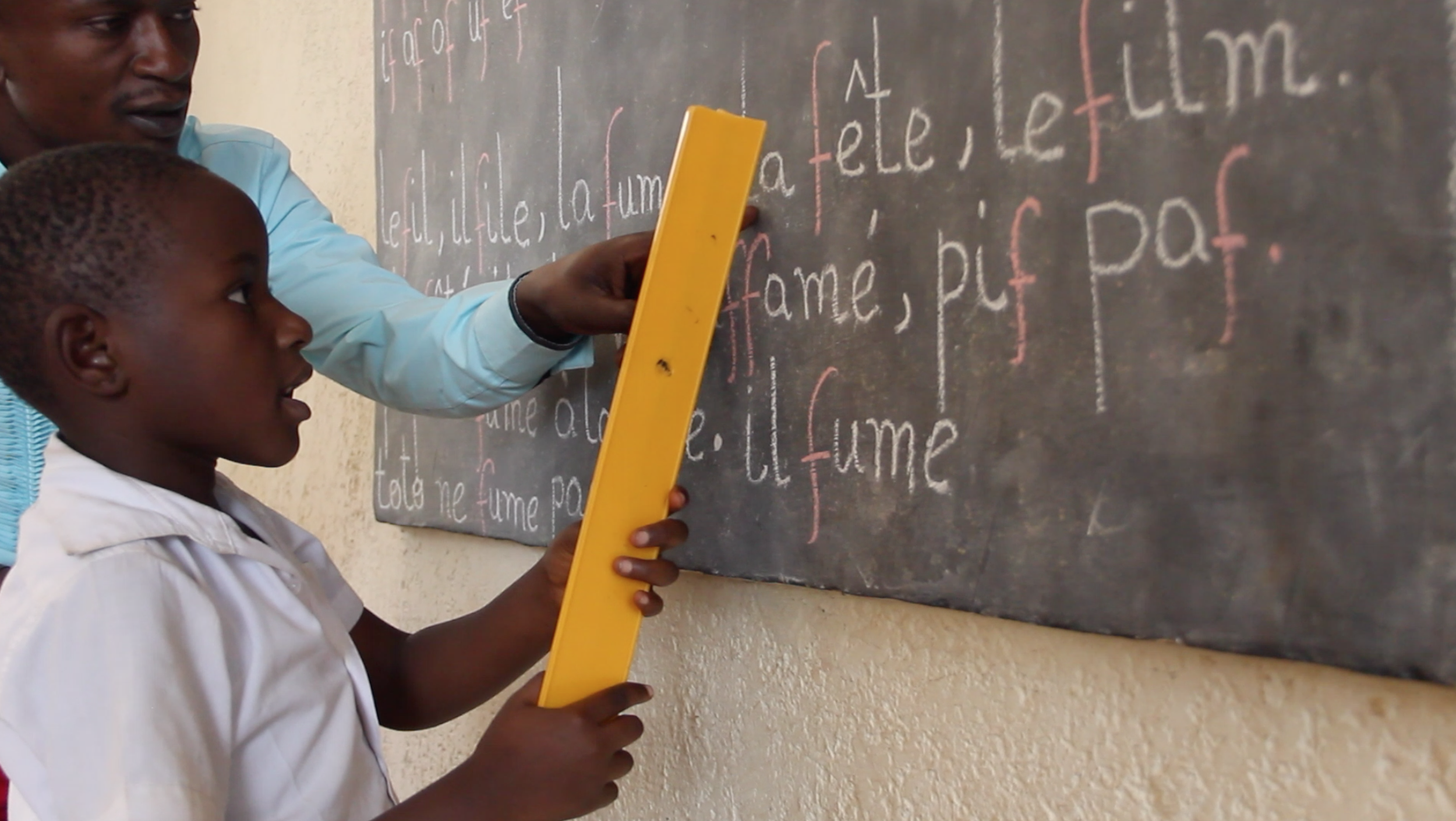
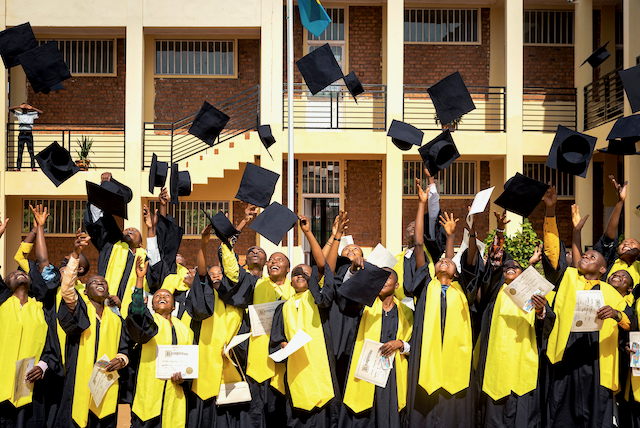
I met and recorded the stories of the community members excited to be hired to lay the foundation of such a special school, a beautiful campus and Amani's long-time dream of a peace school made possible through the Dillon Henry Foundation and the financial support of many of you reading this. Once opened in the fall of 2018, I heard the gleeful laughter and sound of feet running around the grounds. In the summer of 2023, I had the amazing opportunity to celebrate with the first graduating class: students who had been orphaned by war and AIDS and poverty, or whose parents could not afford the nominal school fees of the nearby public schools, were now celebrated as success stories of diligence and perseverance in their studies.
The Congo Peace School remains open in the current war. But the students are in survival mode, traumatized on a daily basis amidst armed violence, the sound of gunfire, stories of a beloved friend, family member, or neighbor killed. There are protocols that inform them and their families if it is safe to walk to school that day – a place that for many of them is the only chance to eat a meal.
How do you speak of peace when surrounded by violence? How do you act in nonviolence in the midst of gunfire? Those chalkboards still hold their promise, and the students continue to write their own stories of dreams and hopes for a future where they have peace, so they can pursue lives as doctors, teachers, social-workers, chefs, parents, artists, all the dreams we all share, regardless of where we live.
We asked the staff to speak to the preschool teachers, current preschool students, and several who matriculated into primary from the preschool classes (called Nest Congo, and possible because of the amazing work of our partner Nest Global) what their experiences have been, and how pedagogy rooted in curiosity, agency, peace, healing, and nonviolence has changed them.
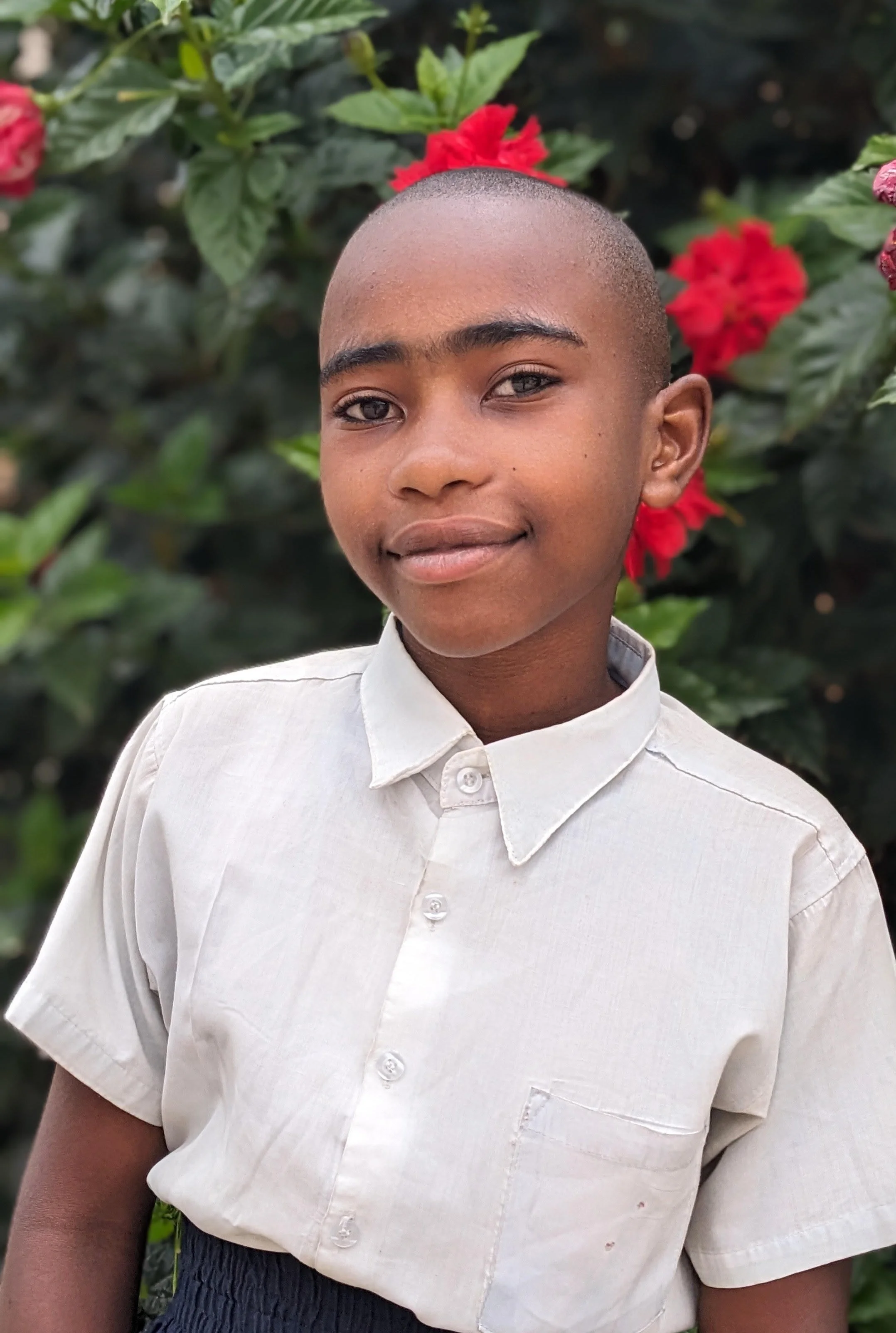
“I thought that school was just for learning to read and write, but I already understand that school also helps us to think and define our dreams. I like Congo Peace School (CPS) because of the subjects we are taught. I will be surrounded by good people and have good relationships with everyone, studying in good conditions.
“Regarding the DRC, I want the whole world to know that we are going through times of war, that hatred must be put aside so that peace can return.”
- Nouria, 6th grade student and alum of the Nest Congo
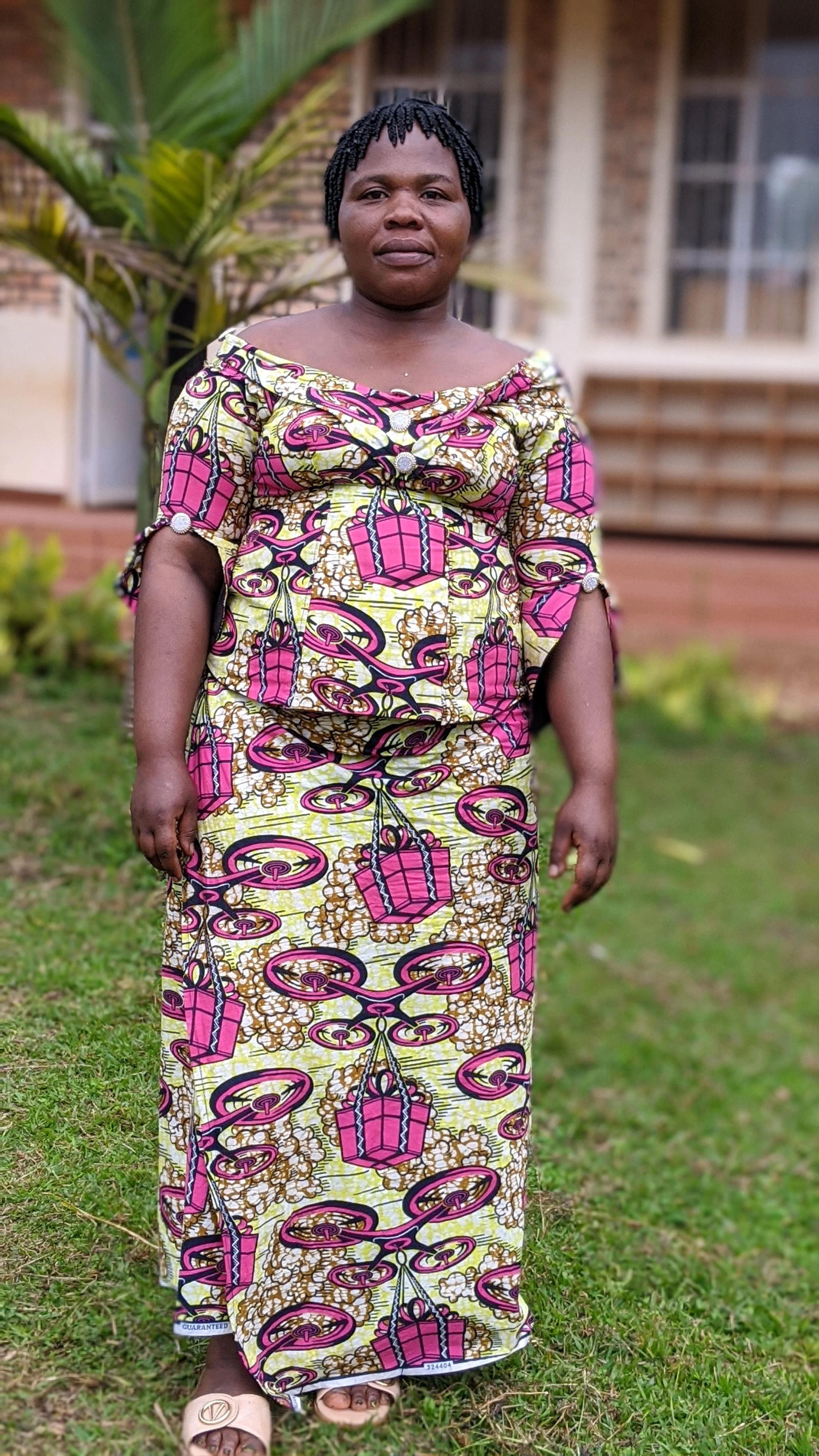
“The difficulties I encounter in teaching 4-year-olds are that they get stressed when they hear the sound of gunfire, which has become more frequent lately. When I arrive in class, I bring them in to help them forget certain things.”
- Congo Peace School preschool teacher Cibalonza
Shortly after a peace deal signed in Washington D.C. between DRC and Rwanda on December 4, the armed violence escalated in the eastern provinces of Congo. The Congo Peace School provides a safe space for students to not only learn, eat healthy meals, and also process the daily trauma from living in a war.
It can feel helpless to look at the violence and resulting suffering of so many in the world, and we are grateful that you continue to turn your attention to the people of Congo. Know that your attention and your financial support is making a lifelong impact in the lives of the students, staff, and the community, who are practicing daily the peace and healing they long to see in their world.
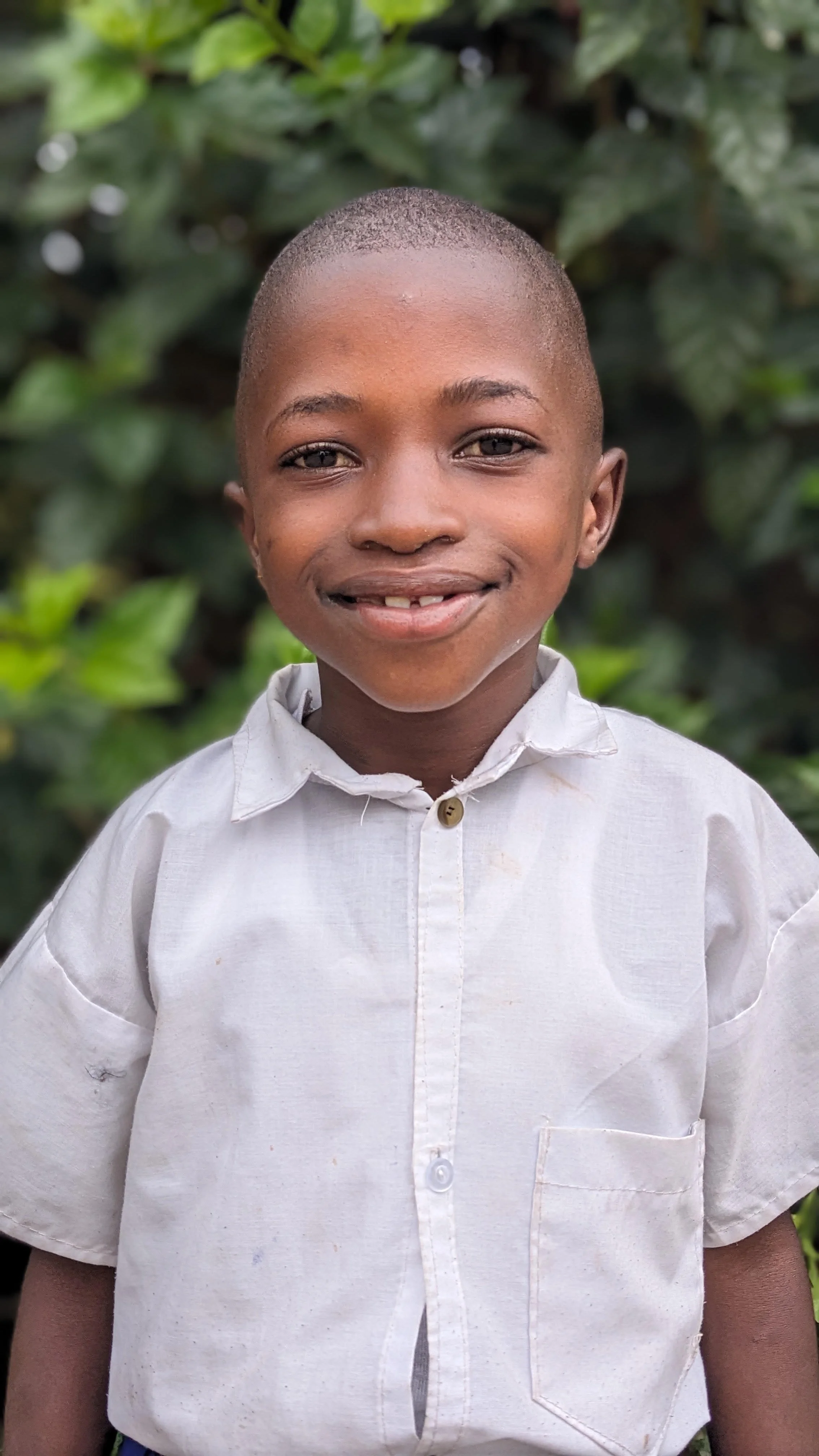
“The message about my life and my country is that I am a little girl who loves peace and fears violence. I ask everyone outside the DRC to fight and dialog so that the war in our country will end, and we will congratulate them.”
- Ines Imara, 3rd grade
Rape as a weapon of war, an ongoing horror for the past 30 years in Congo, has escalated as well during this war. Content warning: this piece reports on the rape of children. If you are able to, please read it. Please ring the alarm bells by telling others about it – about the war in DRC, about how the children and communities who simply want peace are living in constant trauma. How we benefit from the land and labor of Congo – its minerals fueling our tech. How we can make a difference – investing in daily lessons in peace and trauma-informed education by supporting the Congo Peace School.
::Take Action::
Call your representatives and tell them you are paying attention to what the government is doing in light of the horrific humanitarian crisis. Scroll down to learn more about how pressure on Rwanda is working (see PAEMA’s recent news bulletin, link below). Tell them you do not want a celebration of the riches that the minerals and economic deals might provide, but a real plan for de-escalation, for disarmament of militias and accountability for war crimes, for reintegration into civil society. For investment in education and jobs in Congo so that people are not so desperate that they pick up a gun in order to eat that day.
If you are able to, please choose Action Kivu as part of your year-end gift giving. Your partnership allows students like Ines and Nouria and the little ones currently in the preschool program (see below) know that the world is paying attention, that we care about them. How to give, here.
We refuse to turn away from these students. They are our hope for the future peace of Congo, and our world.
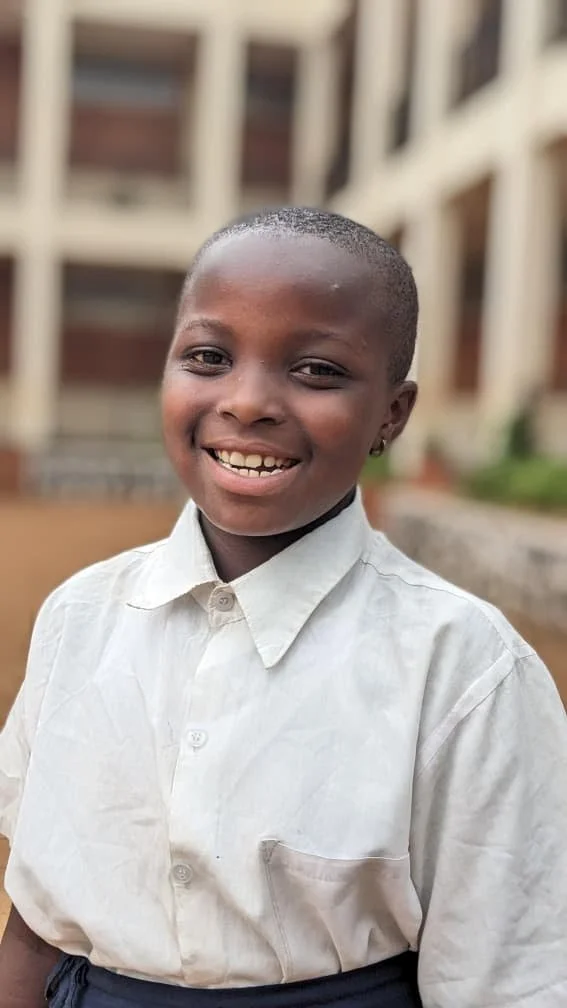
“My best memory of preschool is the corrections the teachers kept giving us. Since preschool was our foundation and inspiration, we continue to refer to it even in some classes when answering questions.
“Before preschool, I thought school would be difficult, but when I started, I didn't find anything difficult. I like CPS because the teachers are experts in their subjects.
“We are at war in the DRC, and we are asking for help because life has become very difficult and uncertain here.
“Attending preschool prepared us to think carefully and adapt to higher grades. When I was still at home, I was told that children are whipped at school, and that scared me, but once I arrived, I found that my teachers loved me and didn't hit me.
“Let the whole world know that we are suffering from war, and let them come to our aid.
“I would like to thank the teachers at CPS for their kindness and for teaching me to think for myself.”
- Ampire, 5th grade
Our Founding Director Amani Matabaro shared more of his thoughts: “Economic drivers, especially the illegal exploitation of Congo's critical minerals through foreign interference, have been at the center of the ongoing Congo crisis which unfortunately is now spilling over into the entire African Great Lakes Region. As long as the culture of impunity remains and no one holds accountable the perpetrators of war crimes and crimes against humanity in the Democratic Republic of Congo, rape will continue being used as a weapon of war, millions of people will be forced to flee their homes and livelihoods, children will continue to be forced into fighting, and the final consumers of the conflict minerals will remain willingly and unwillingly involved in the illegal and nontransparent supply chain. This crisis needs individual and global attention.”
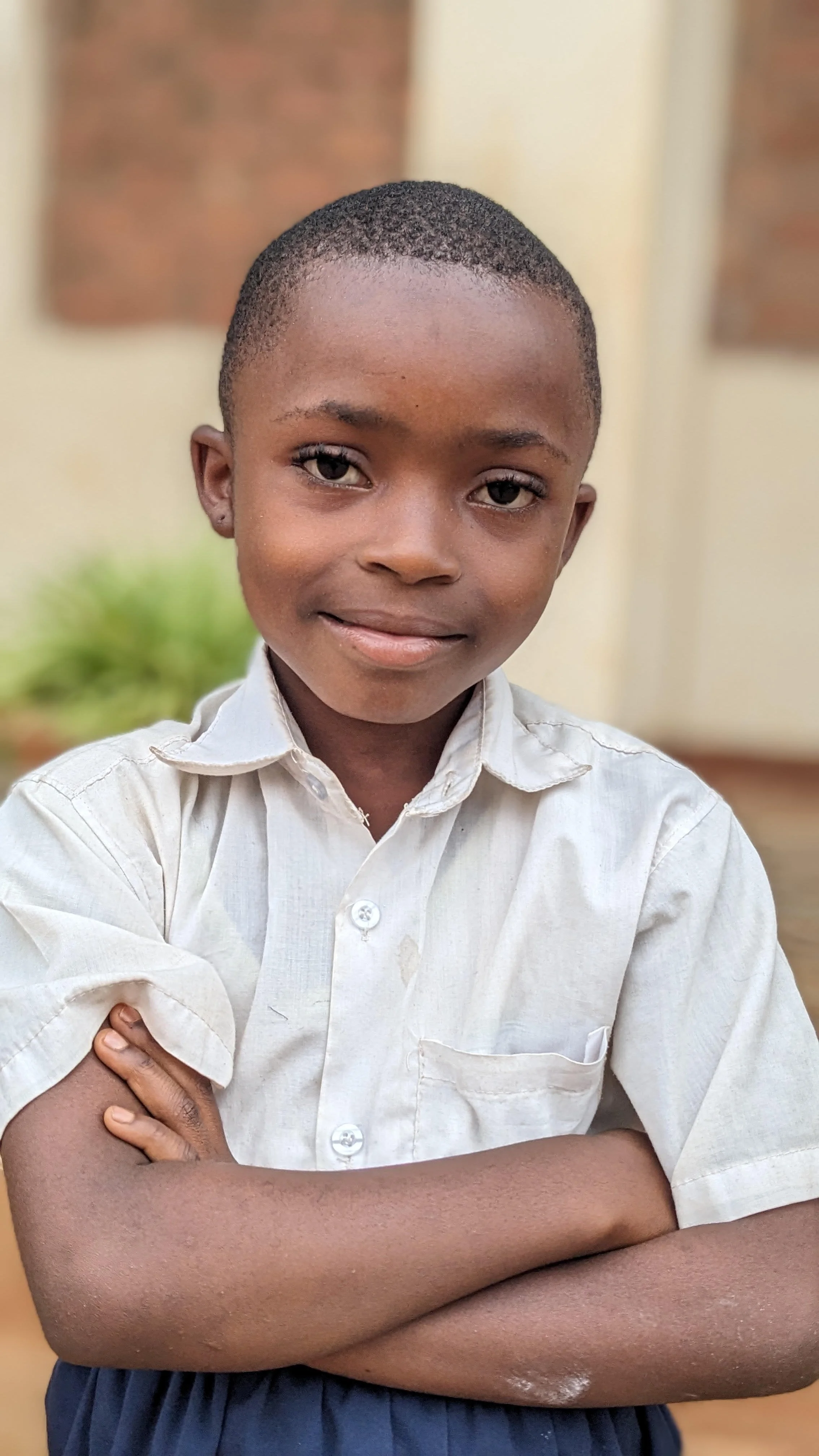
“I love Congo Peace School because it teaches us peace, reconciliation, and good values. My message to the whole world is that I love all our friends who care about us and support us, but please know that we are suffering. We want the war to end. We are losing our parents, friends, and brothers in this war.”
- Akonkwa, 3rd grade
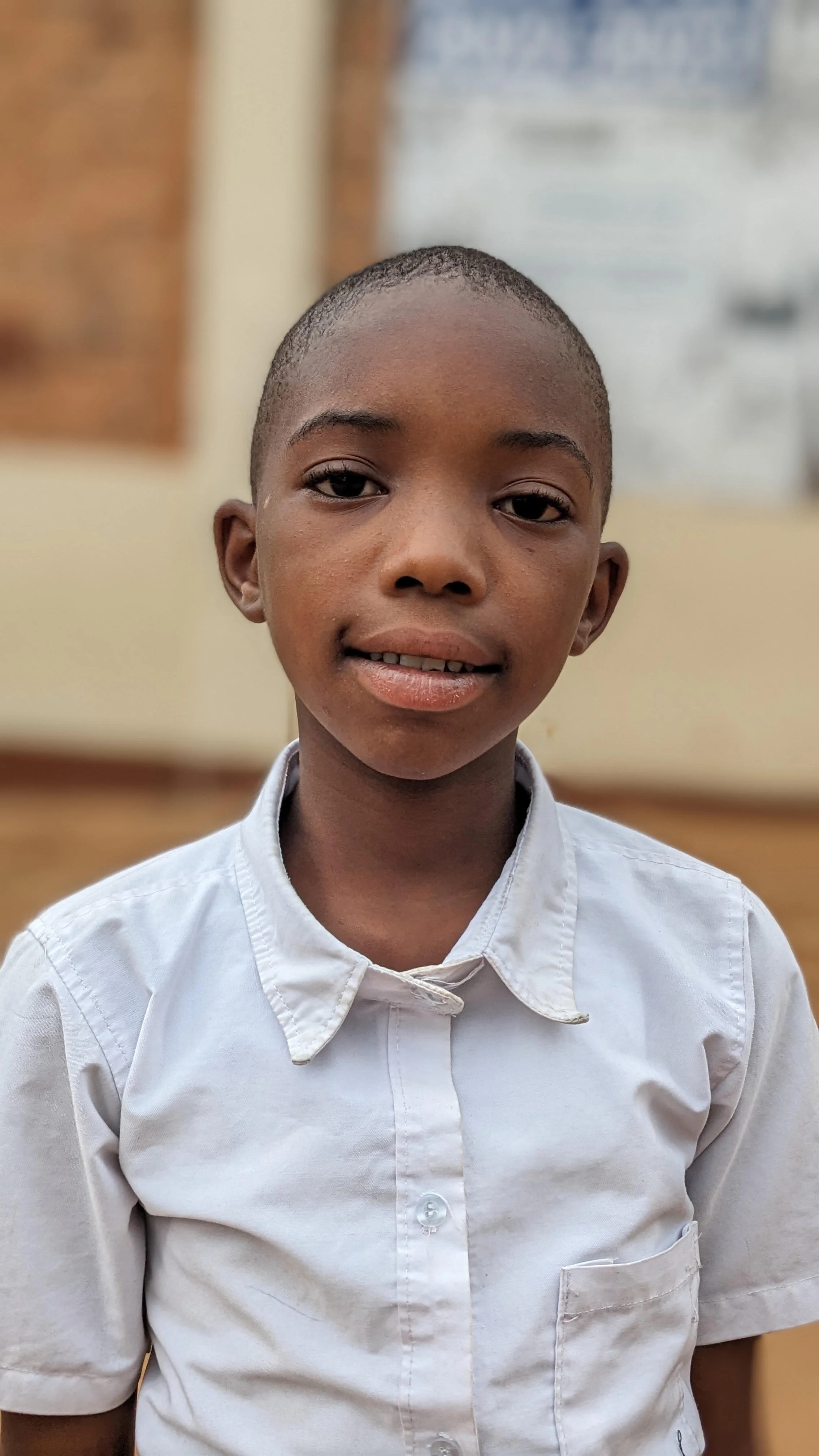
“My best memory of preschool is games and poems. Those of us who went to preschool find it easier to adapt to questions asked in class compared to the others. Before, I thought school would be the hardest thing, but I found it very easy. I liked preschool.
“I am Nice, a girl from the DRC. I want people to understand that we are suffering because of this war.”
- Faraja Nice, 5th grade
CURRENT PRESCHOOL STUDENTS
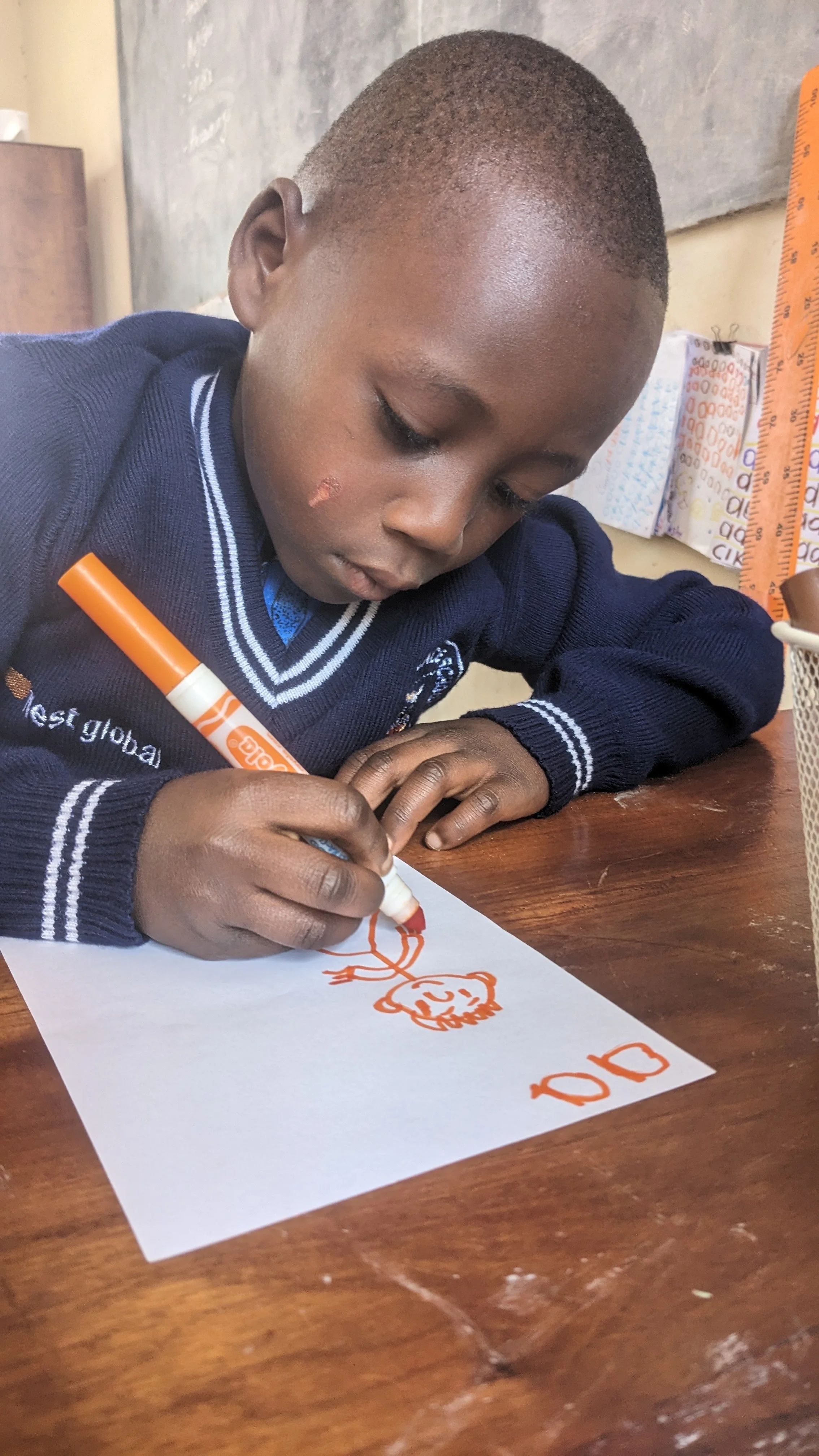
“I prefer the art area. I like the art area because I can write whatever I want, such as drawing people, houses, etc.”
- Munguampire, preschool student
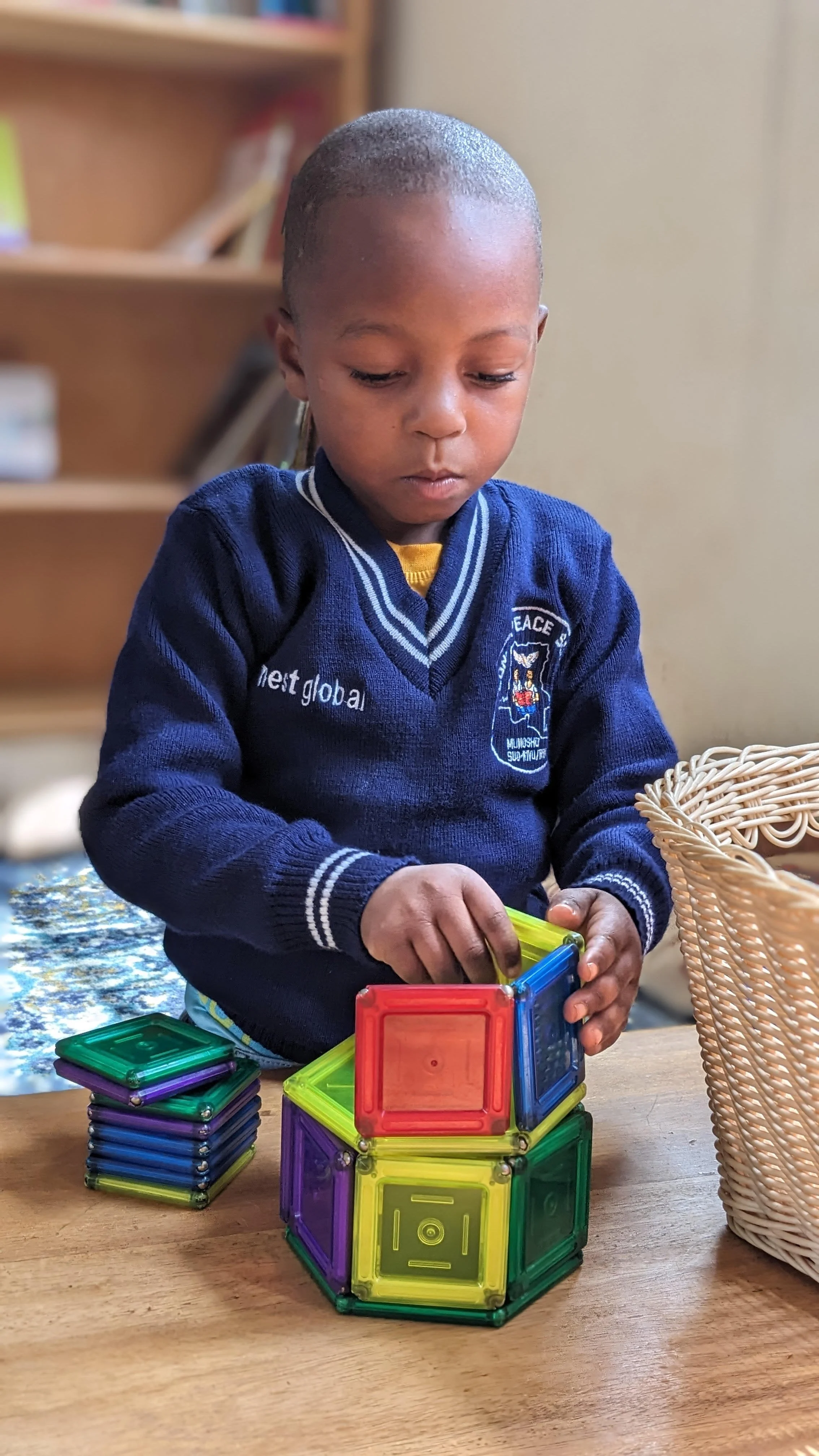
“I prefer the construction area because I want to build a house. I like magic squares.”
- Kamerhe, preschool student
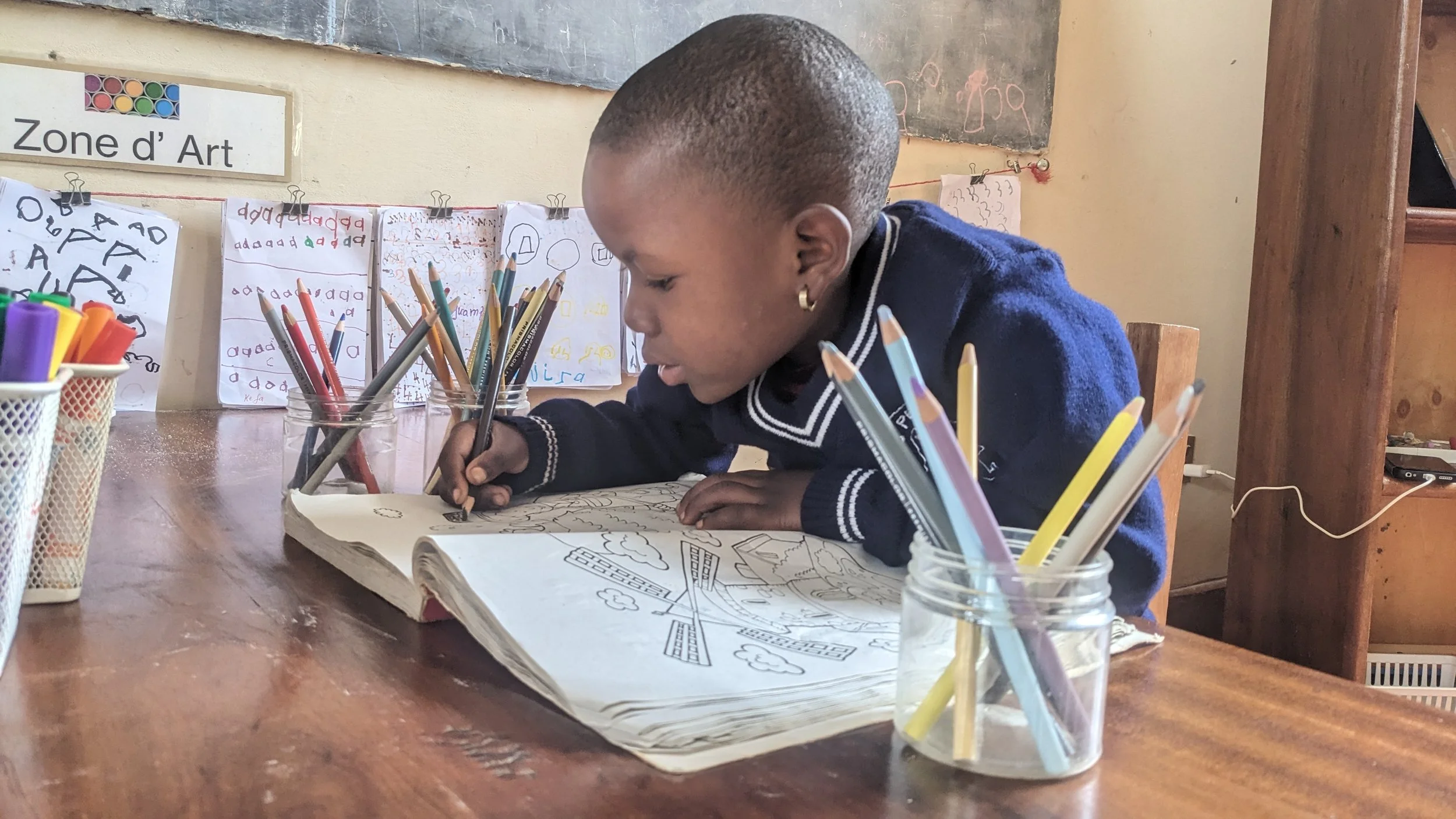
“I prefer coloring books in the library. I like the library area because I can see colored drawings. I like coloring every day.”
- Cikuru, preschool student
More news on Congo:
From our friends at PAEMA via their DRC news monitor:
On 19 December in New York, Security Council members unanimously voted on the renewal of MONUSCO for a year (more information on the negotiations is available through the Security Council Report). The U.S. representative stated that the negotiations had been disrupted by ‘Rwandan and M23 efforts to sabotage a viable peace process’ and called M23’s commitment to withdraw from Uvira ‘not sufficient’, instead asking the group to withdraw at least 75 kilometers from the city.
(Head over to PAEMA’s DRC News Monitor for their special focus on the capture of Uvira and its fallout, the implications for a wider regional war, and the heavy humanitarian casualties, and the U.S. response.)
Your commitment to the people of Congo is making a difference. I recently read a metaphor by Thich Nhat Hanh in his book How to See that described a different way to look at and see an object, a rose in this instance, as a way into understanding our interbeing with the entire cosmos. It cracked open a little greater understanding of Martin Luther King Jr.'s teachings for me. (CLICK HERE for pdf of How to See, - page 20 for Looking Into the Rose.)
By your choice to focus on the place and people of Congo in this light, with this attention to their human rights - the right to live and live in peace - this attention is changing your own view of our interconnectedness, and thus leading to more and more interconnectedness and actions for justice and human rights for all.
"Injustice anywhere is a threat to justice everywhere. We are caught in an inescapable network of mutuality, tied in a single garment of destiny. Whatever affects one directly affects all indirectly.” - Martin Luther King, Jr. from Letter from a Birmingham Jail.
Thank you so much for your gifts, of financial support and of your attention. They mean more than you know.
Amidst war, the Congo Peace School celebrates the class of 2025, and starts a new school year with song
Was there a moment in your life when you felt seen for who you might become? A teacher or parent or friend who gave you a word of encouragement, that in hindsight was a turning point for you?
When Amani Matabaro, our Founding Director and the visionary leader behind the Congo Peace School’s curriculum, learned the 2025 results of the national exams for the Congo Peace School students, he had a call with many of this summer’s graduating class. “I told them, some of you got better scores than I did when I took this test!” he said. “You could do more in the world than I have!” (A recent Harvard Fellow, speaker of many languages, trained in several studies around public health, pedagogy, and peace, Amani is a marvel in his own right.) I wonder, for how many of those students, that message will sink in and inspire them to overcome the obstacles that this world has unfairly placed in the way of the people of Congo.
I marvel at the mission of this school and its success thus far, thanks to your partnership, and the commitment of the teachers, staff, students, and community: to serve the poorest and most in-need children in that region, which, in the world, are some of the most overlooked and underserved children on the planet. 100% of the students in both primary school 6th grade and secondary school 6th grade (12th grade in the U.S.) passed, many with honors, while, we are sad to report, a majority of the students in the surrounding schools failed.
These are kids who sometimes take care of themselves when they’re not in school, orphaned and living with relatives who can barely afford to feed their biological children, let alone a niece or nephew.
These are kids who, with your support, now not only feel seen and loved, that their story matters, but also that their potential and possibility for learning and being leaders is endless.
Amani shared his thoughts in a brief video here, and, with the new school year (2025/2026) having started on September 1, sent a couple videos of the students stepping outside the classroom to sing and dance, including our preschool kids, supported by our amazing partner, Nest Global.

This, in the midst of war, where the campus is a haven of peace. (Scroll to the end of this post to read an excerpt from an earlier post about the safety protocols the school has instigated to best protect the students and staff as they decide each day it is safe to open the school.)
Amani highlighted one of the graduating class of 2025, Cubaka Germain, a great soccer player, Amani notes (Amani a proud footballer himself). Cubaka was an orphan who was in the Educational Assistance Program we started several years ago, before the CPS was built, with the support of many of you, our longtime partners, with Jewish World Watch, and with years of support from our community in Rhode Island. We started paying for Cubaka’s school fees in elementary school, before he transferred to the Congo Peace School.

Cubaka in primary school, before the Congo Peace School was built.
He just scored 76% on the national exam. (In terms of the U.S. GPA standards, this is graduating with honors.)
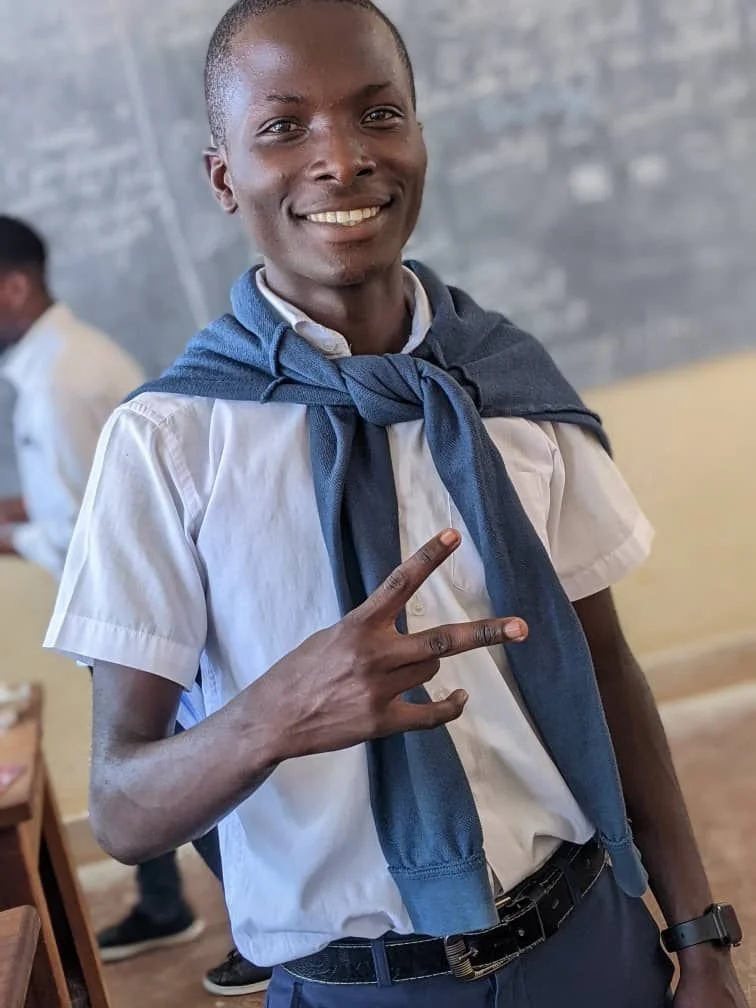
Cubaka, Congo Peace School Class of 2025
Denise Bora was also part of the Education Assistance program, and is now a brilliant high school graduate. She is pictured here alongside her fellow classmates, from left to right: Denise Bora (70%), Nzigire Pascaline (70%), Cynthia Hamuli (she graduated last year) and Ciragane Bitakuya Divine (75%).
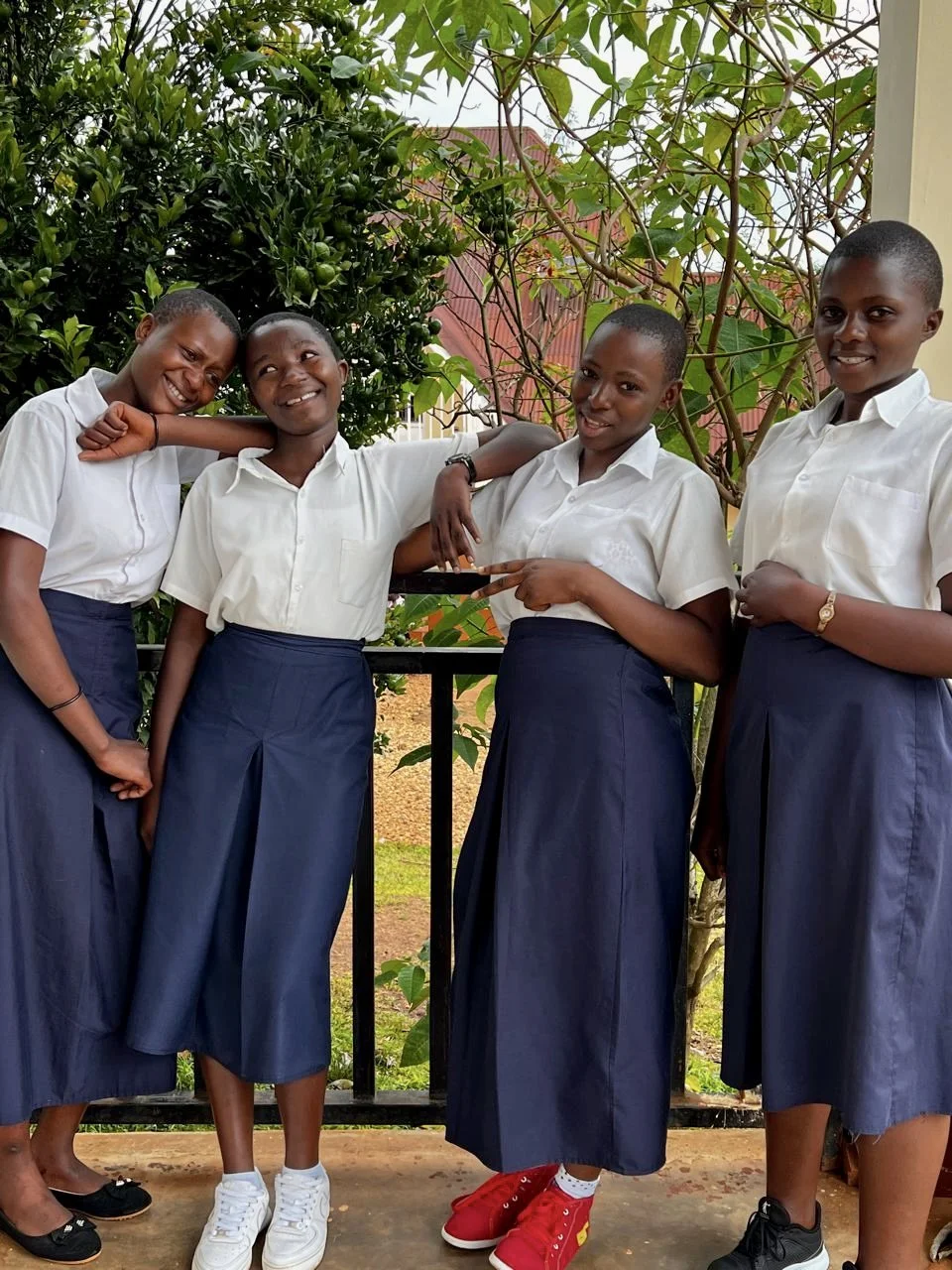
As Amani noted in the video, these children are amazing, and they did not accept war to take their dreams and hopes away.
In other Congo Peace School news, Blessing, one of Amani’s daughters, risked returning to eastern Congo to finish her university degree in agronomy, and is helping with the farm that serves the school as a teaching farm and providing some sustenance to support the meal program (though we need to expand on that in the coming years). One way to help keep kids in good health, especially to get a dose of potassium? Bananas. Blessing saw how the Chinese construction workers building the road had dumped dirt on the hilly portion of the farm, and suggested using the organic fertilizer created by the farm animals and compost to grow bananas for food production.

I hope, in the midst of so much terrible news of war and division, that these stories give you hope that a different path is possible. Peace within ourselves, within our relationship to each other and the planet, is possible.
Thank you for investing in this vision that is already becoming a reality in the lives of this community. Thank you for being part of the message to these students that others, people they have not met, believe in their beauty as humans and potential to thrive and lead, in whatever way that suits their unique talents and heart for the world. Asante sana!
To read more on the latest on the war, be sure to subscribe to the DRC bi-weekly news monitor from PAEMA, trusted friends in peace work.
In gratitude,
Rebecca, with Amani Matabaro
Rebecca Snavely
Executive Director, Action Kivu
(Below: the repost regarding the school's security protocol during war)
Déo, the CPS Secondary School Principal, shares how the Congo Peace School remained open most of the school year, when so many other schools shuttered for weeks due to the war.
“We have been shutting down only based on security assessment with our senior larger management team with guidance of the school founder, Amani Matabaro, who has experience with issues such as international humanitarian law, human rights, human and personnel security, and humanitarian ethics—it is not easy trying to manage all of these issues at this time.”
The Peace School posted banners with the information that read: “Schools, hospitals, and places of worship must be protected even during wartime. It is an obligation of international humanitarian law” both inside the campus and on the outside wall for anyone passing to read.
Deo continued, “This war deeply disrupted us at the school and community levels, but we have been learning many lessons from it, including the resilience mechanism that we are developing each day. For example, every day before going to school we have to find out about the security situation in the area. There are many questions to ask: Is it safe to walk to school? Are the teachers and students safe? Is the school safe? And even when we would begin the school day, we were not sure how it would end. Such uncertainty creates constant fear because of the ongoing insecurity in the region.
“With the students, despite sometimes hearing gunfire from some corners of the campus, we had to remain courageous. We always tried to understand the situation before making decisions: either to let the students and staff leave school and return home before the usual time, or to keep them in class until the end of the day. The wall around the school has been very helpful in terms of child protection during these difficult moments.
With our Congo Peace School Founding Partner, the Dillon Henry Foundation
CPS Summer Update: Voices from Congo as the war rages on, despite peace processes
I’ve been thinking a lot lately about a conversation I had with a friend, how our brains and our nervous systems are not meant to take in the entirety of the world’s suffering. How our connection via the internet, the very connection that allows us to alleviate some of that suffering through direct support, threatens to overwhelm us to the point of inaction. Thinking, it’s all too much, how can I possibly make a difference?
I’m here to tell you what you already know: things are atrocious in many parts of the globe right now. And maybe what you haven’t heard, that the eastern part of DRC has not improved with the various peace agreements and processes, and the most vulnerable amongst us, children and women, are suffering the worst of it.
I’m also here to tell you that you are making a difference, and it’s significant.
The UN Security Council held an emergency meeting Friday, August 22, to address the ongoing attacks on civilians in eastern Congo. From the report on that meeting, the UN writes “the DRC is currently facing one of the most acute humanitarian emergencies in the world, with food insecurity on the rise and 5.9 million Congolese currently internally displaced.”
In our small corner of Congo, with your financial support, we are feeding children who might otherwise die from malnutrition. It’s that stark, and it’s that hopeful. Girls are safely inside the walls of the campus, the safe place protecting them against the rise in rape as a weapon of war. Boys are safely going to school, kids who might otherwise be kidnapped and forced into being soldiers.
Below, you’ll hear from some of the Congo Peace School staff and students, as well as from some of the community members and internally displaced people (IDP) who are finding a safe place to live near the school, and receiving support from the community you are a part of, no matter how many miles away from the physical campus you may live.
“I was so impressed by the quality of the services the students are getting at the Congo Peace School. The day we received food and necessities was a new hope for me, even if we don’t know when we will go back to our community and restart our lives there.”
–Cecile, mother of five children, who fled fighting near her home.
With your daily dose of reality, we want to add a dash of hope. Investing in the daily lives and nutrition and healing of the students and staff and their families and communities through the Congo Peace School and our emergency assistance fund is a tangible way to create the world we want to see in our lifetime. A world in which people have good, healthy food. Where people are educated, no matter their sex, gender, ethnicity, income level, or any other factor than being human. Where kids and adults are healing their trauma so they don’t transfer it to other people.
It is summer at the Congo Peace School [CPS], and the new year is scheduled to begin September 1. During the last months of the school year, that ended in early July, we are thankful the school remained open, a safe place for learning, albeit a much-altered schedule, with students leaving shortly after classes, no longer able to hang out and enjoy the library, the computer lab, as it was safer to return home immediately.
We are also thrilled to announce that the Congo Peace School was a Primary School National Examination Center, and four schools sent their elementary school sixth grade students to the campus to take their exams. Local authorities in the education sector praised the campus for its offering of clean running water, toilets, as well as for its physical protection for children in school settings, especially during this moment of armed violence. The elementary school 6th graders took their national exams on July 1st and 2nd, and the CPS had 100% of success with very high scores: the top student scored 86% and the last scored 61%. (These ratings are very different from our U.S. understanding, and many other schools’ students’ top results did not reach 61%.)
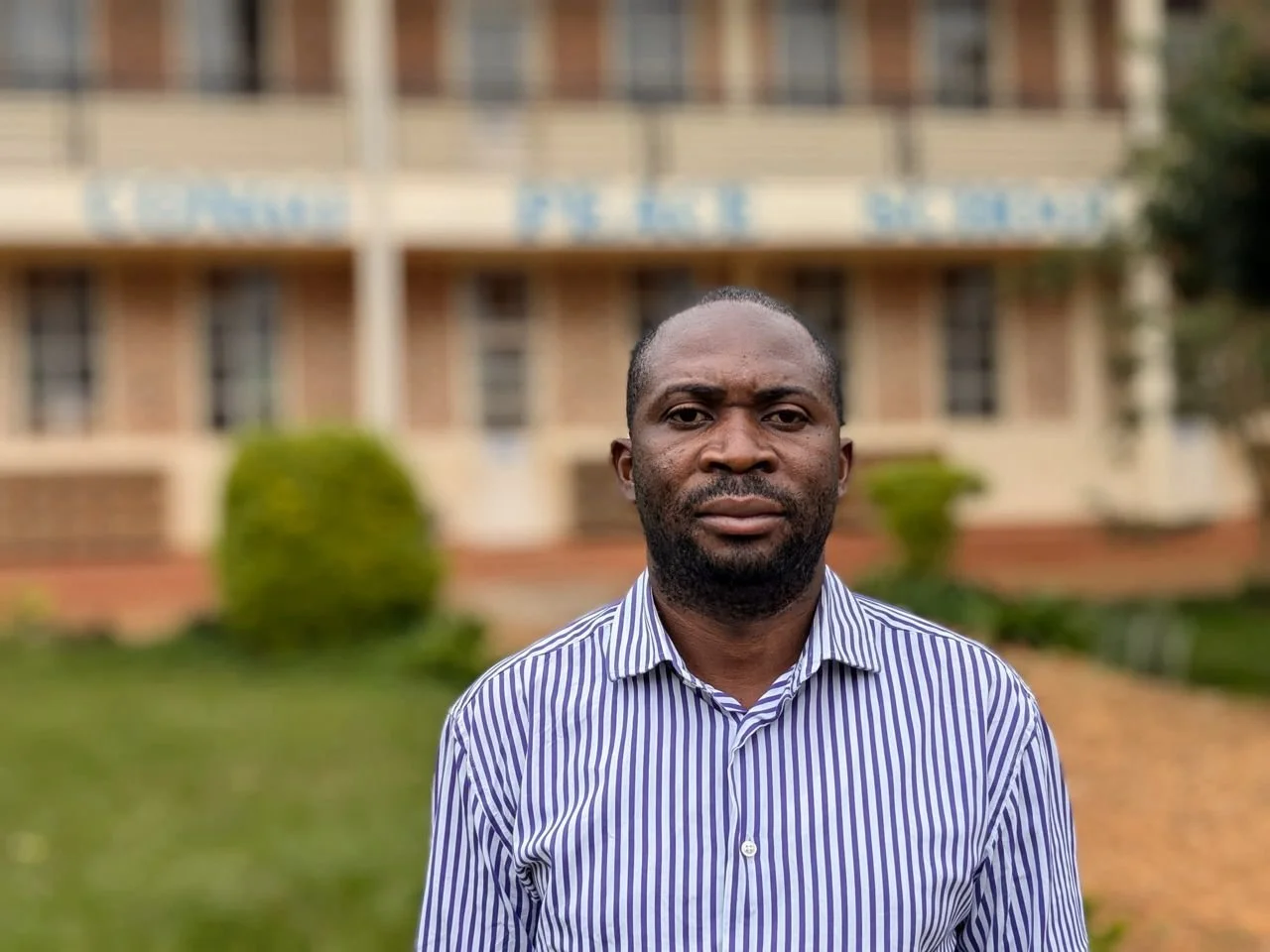
Déo, the Congo Peace School Principal
Déo, the CPS Secondary School Principal, shares how the Congo Peace School remained open most of the school year, when so many other schools shuttered for weeks due to the war.
“We have been shutting down only based on security assessment with our senior larger management team with guidance of the school founder, Amani Matabaro, who has experience with issues such as international humanitarian law, human rights, human and personnel security, and humanitarian ethics—it is not easy trying to manage all of these issues at this time.”
The Peace School posted banners with the information that read: “Schools, hospitals, and places of worship must be protected even during wartime. It is an obligation of international humanitarian law” both inside the campus and on the outside wall for anyone passing to read.
Deo continued, “This war deeply disrupted us at the school and community levels, but we have been learning many lessons from it, including the resilience mechanism that we are developing each day. For example, every day before going to school we have to find out about the security situation in the area. There are many questions to ask: Is it safe to walk to school? Are the teachers and students safe? Is the school safe? And even when we would begin the school day, we were not sure how it would end. Such uncertainty creates constant fear because of the ongoing insecurity in the region.
“With the students, despite sometimes hearing gunfire from some corners of the campus, we had to remain courageous. We always tried to understand the situation before making decisions: either to let the students and staff leave school and return home before the usual time, or to keep them in class until the end of the day. The wall around the school has been very helpful in terms of child protection during these difficult moments.
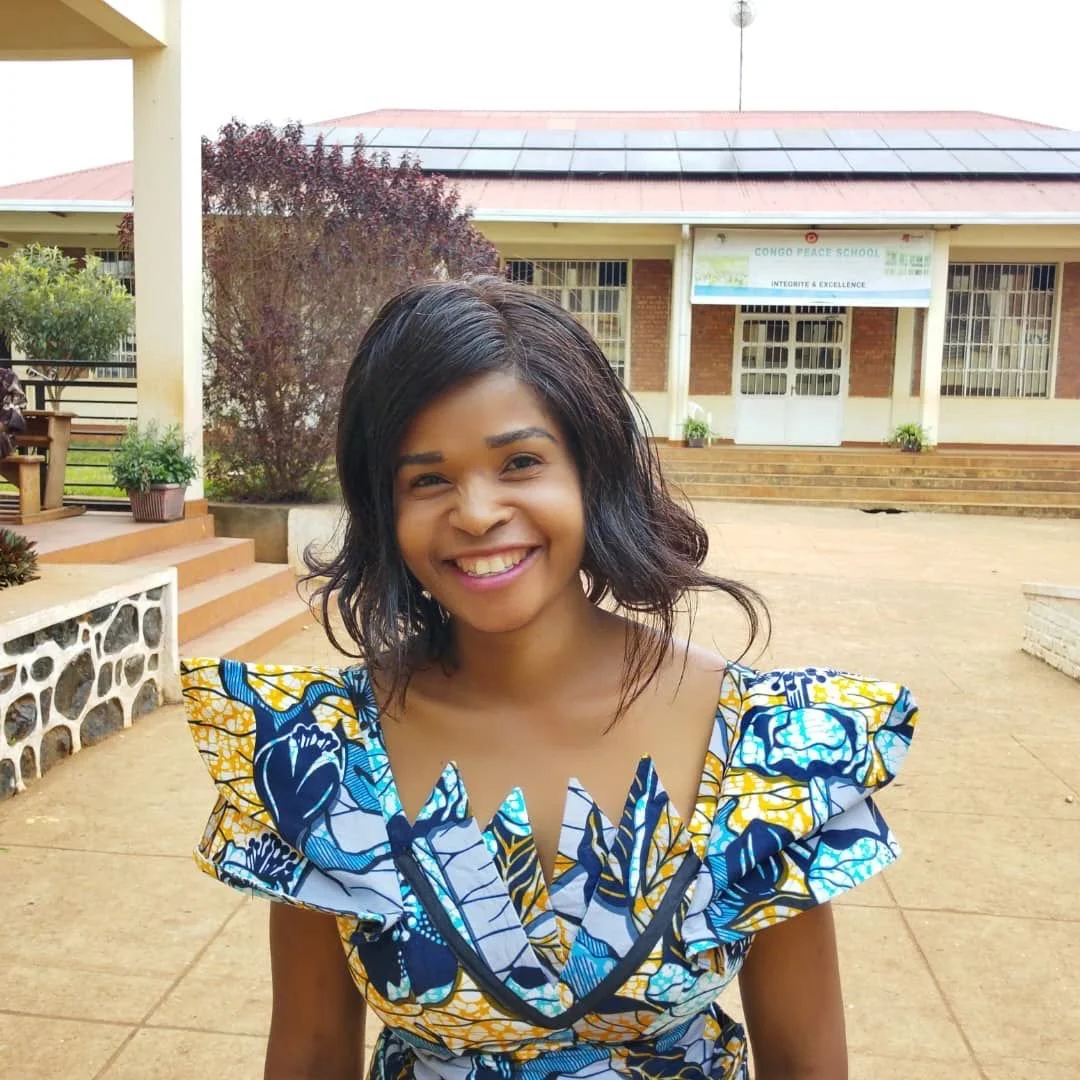
Lydie, Congo Peace School Primary School Principal
Lydie, the Primary School Principal shared a story that in June, “some students from Nyangezi and its neighborhood were caught in a situation whereby the area became a battlefield between the M23 and the Wazalendo. They were fighting almost every day and three teachers under my supervision in the elementary school level came to me to ask what they should do with the students from Nyangezi who were not attending school while the others were taking quizzes and exams. My feedback to them was clear, I asked to refer to our principles and beliefs: ‘Every child, every student can succeed as long as they are given a chance.’
“Now that this ongoing violence is stealing and shutting down the power of the dreams of these many children, our role is to stand up for the kids and support them. Those who have missed classes and homework, quizzes and exams, let’s give them time to catch up and no one should be left behind. Everyone was welcomed back to school when it was safe to come.”
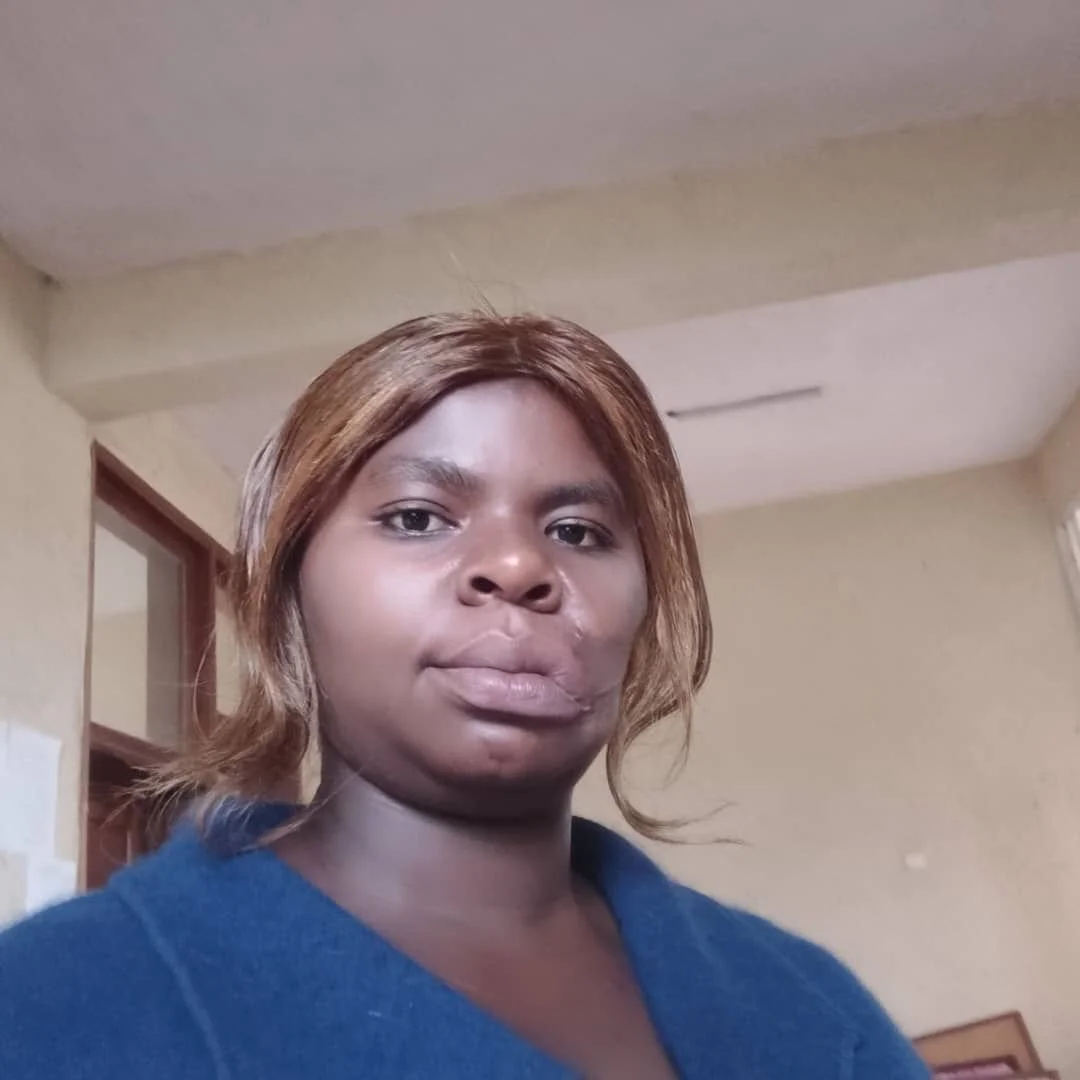
Pascaline, Third Grade Elementary Teacher
Pascaline is now a 3rd grade teacher. Before the war, she survived an attack by gunmen while traveling on the road to Bukavu.
Pascaline shared, “I am teaching the principles of nonviolence but to be honest it is challenging to teach about peace and nonviolence in the middle of violent armed conflicts. I am currently teaching the principle: Nonviolence seeks to defeat injustice and not people. Nonviolence recognizes that evil doers are also victims and are not evil people. I have been giving examples [to the students] that even these people committing the violence [in this war] are also victims of the same injustice and violence they are creating, because they are killing and they are also dying. This illustrates how nonviolence is beneficial to everyone and violence is against everyone, but at different extents and levels.”
STUDENTS
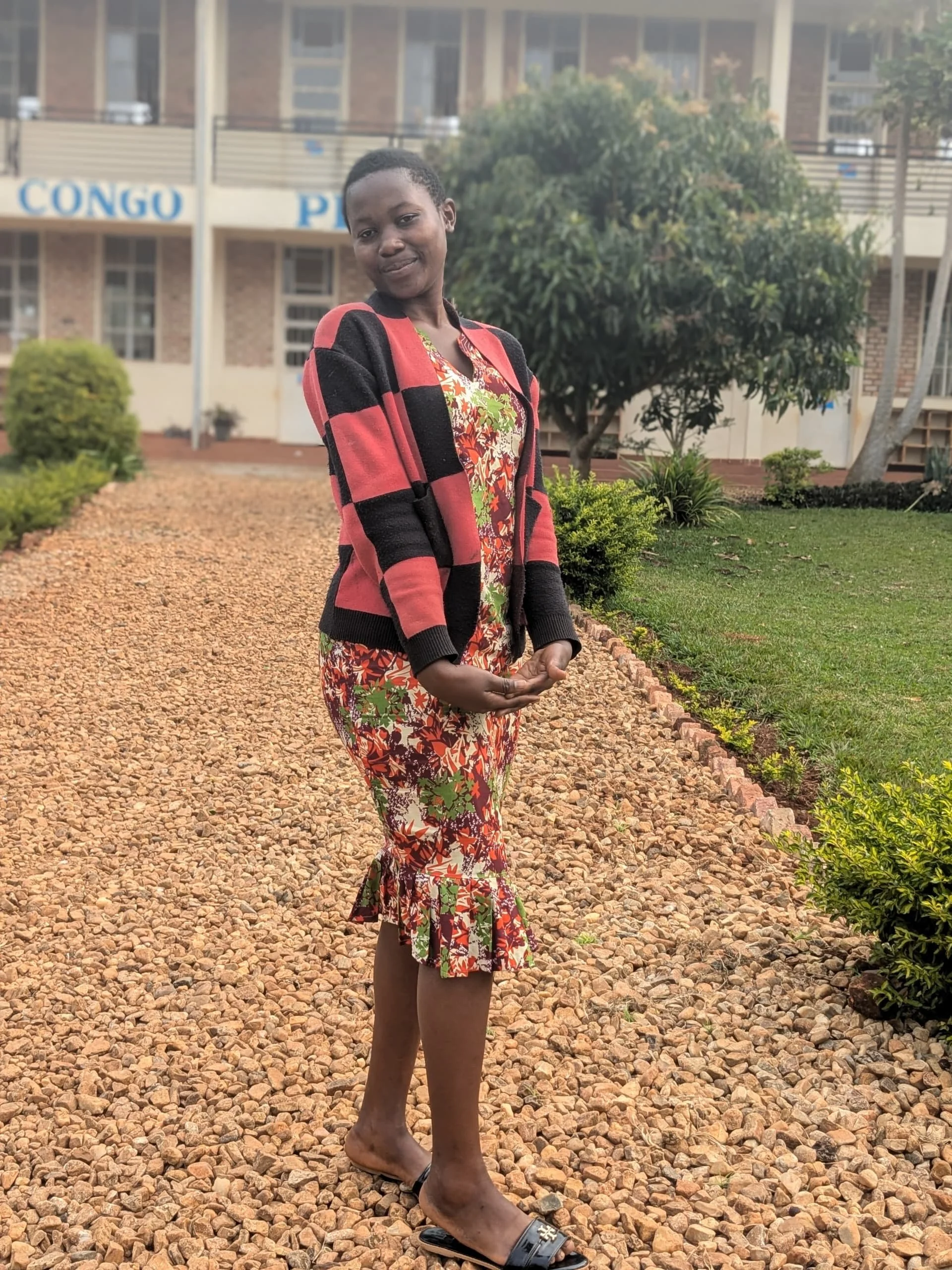
Marie Muderhwa, 17 years old, 5th grade of secondary school (Female), will be a senior in September.
“In July, I worked hard so that I would succeed in all my final school year exams. We’ve been confronted with difficulties of war and this school year has been very challenging, but no matter what, I have to succeed. Even if the war continues, I will not give up my dream to become either a medical doctor or a social worker and work with the communities to tell people about behavior change and engagement, how we can participate in the change our country needs.
“I can’t wait to see my dreams achieved. As the school year closed, I’m excited to stay home and not walk to school because of the distance, especially during these moments when attacks by armed people are happening any time. I hope staying home minimizes the risks of seeing the armed people. One worry I have is how I will get enough food. I live with my grandmother, and she has nobody to help us get food. The school is a reliable source for me to get food.
“It is so unfortunate that the minerals which could be used to create wealth for the country are at the center of this ongoing violence and consequently masses of people have been getting killed every day. This war between the M23 rebels against the Armed Forces of the Democratic Republic of Congo and the Wazalendo should stop. We have no power to end this war, but we just pray to God that the two sides come to an agreement and that peace returns to our country.
“Nothing has brought me joy during this period of war except when I meet my schoolmates alive every morning. My family was attacked by unknown armed people; they traumatized us. Another source of joy for me was taking my exams to close the school year.”
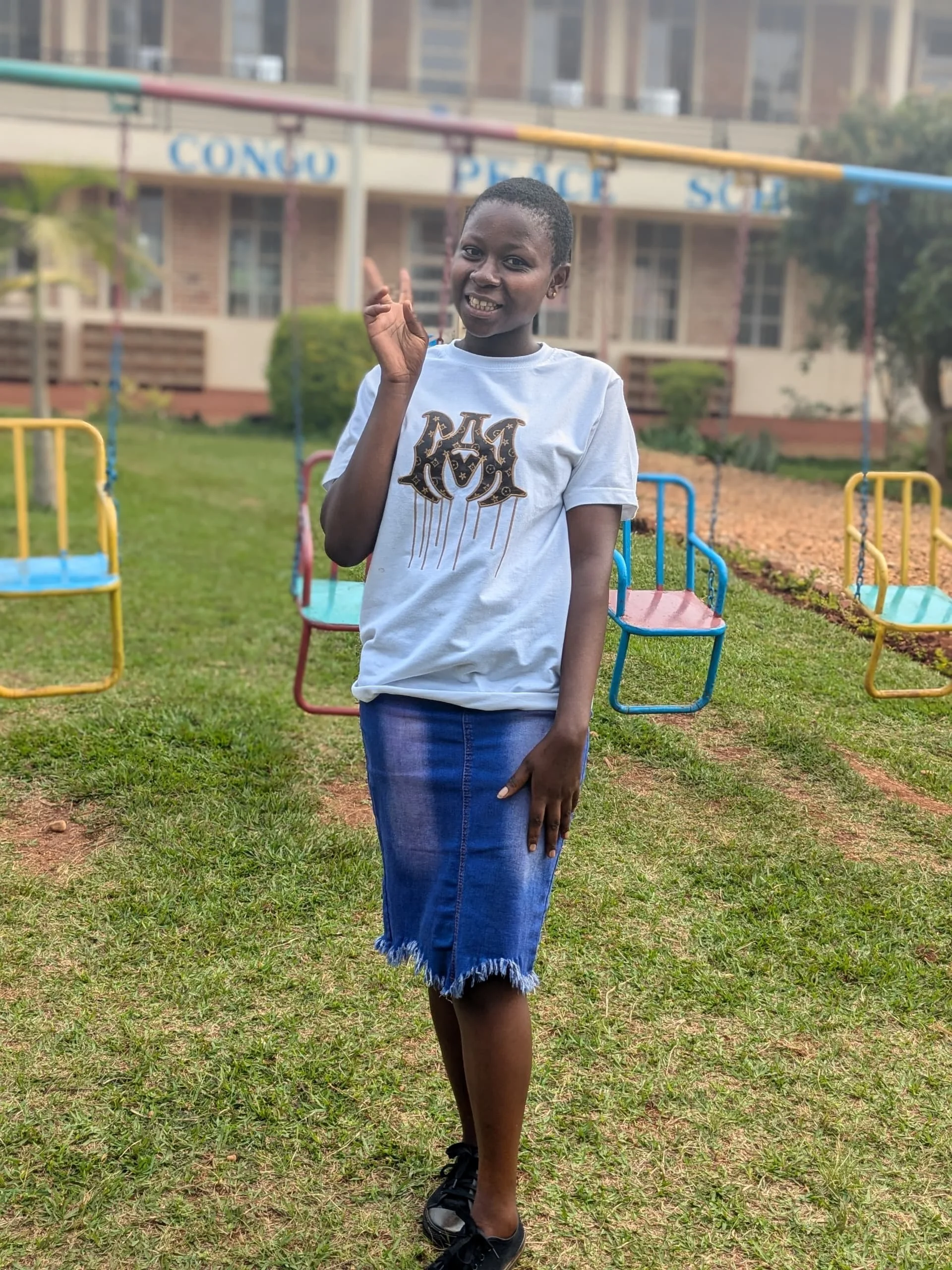
Iragi Mwaka, 18 years old, 5th year of Secondary (female), a senior in September
“I am excited about my internship at the Nyantende Health Center, and after my internship, to be in the 6th year of secondary which is the last year in secondary school.
“This year, I’ve grown in my knowledge compared to previous years, not only improving my social techniques skills (social work) but also how to behave during war, how to take care of my personal safety. Before, I had no confidence in myself, I was afraid to speak in public, but I'm trying to do so.
“Nothing brought me joy during this period of war except still being alive, and completing this school year, which looks to be a miracle for us.”
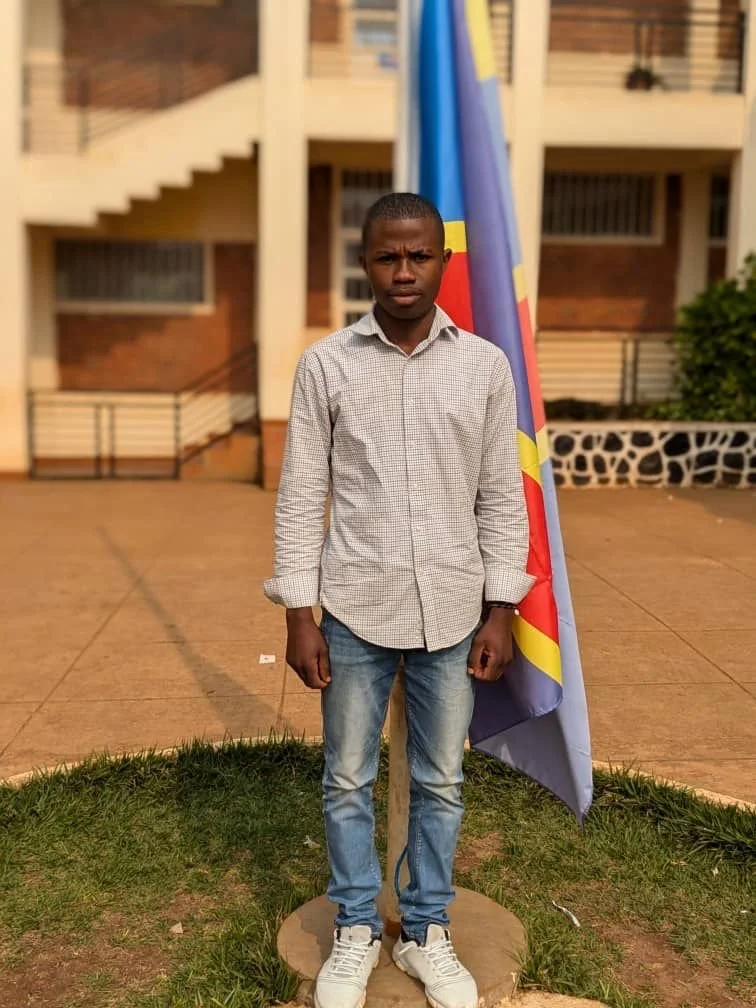
Bakonkwa Balolebwami Clément, 18 years old, 5th year of secondary (senior in September)
“I was expecting the war to end with the signing of different representatives, but unfortunately the reality on the ground is extremely different. I will make sure to put into practice the safety protocol that we learned from school. I will continue building community with my schoolmates. We will lead discussions about different subjects learned in class.
“As of the ongoing war, it is very clear that the critical minerals of the Democratic Republic of Congo are at the center of the war, they are the main reason of the war. We have learned that Congo’s neighboring countries and many other superpowers need the minerals from Congo for the world’s technology. Our teachers advised us to be careful about our safety at home to and from school.
“What made me happy in the middle of this war is the fact that we continued getting all the necessary support at school, we have continued being fed, get primary health care and that is particular and will never forget it in my life. And the courage of our teachers really made me so happy.”
COMMUNITY MEMBERS
When the war started, many supporters of Action Kivu asked how, in addition to their support of the ongoing projects, also directly provide for those at risk of starvation / extreme malnutrition due to the war. We received funds for Emergency Aid, and want to share some of the impact that funding made in the lives of those most in need:
Cecile Tantine, 40, the mother of five children who are all internally displaced, unable to return home, continued,
“Peace is all we need, the mission of this organization is very important, especially teaching children and the community about peace and nonviolence in these times of war. The entire country needs to learn about peace and nonviolence.”
Marcelle Esther:
“I am 48 years old. Before the food distribution, I had no connection with ABFEC. I was in serious trouble and was forced to flee my community. I am currently internally displaced here in Mumosho, I had nobody in this new community. I heard there was a school feeding the children and taking care of the community and we approached the school to tell them about our children and the food issues we were facing. A few days later, we were invited to the Congo Peace School. We got huge support getting food and necessities, and we ask God to bless the Congo Peace School and whoever supports all the programs they do and that this won't be the last time they care about other people in difficulty. I have seven children, only three are in school.”
Alphoncine Cikwabi:
“I'm 73 years old. I discovered this amazing organization on the day of the food and necessities distribution. I really like the Congo Peace School. I no longer have children in the age of going to school but I’d like to recommend everyone to have their children enrolled in such a program, and I hope my grandchildren will come and study here. The quantity of rice, beans, oil, soap, and cooking salt I received lasted me for almost a month.”
Vumilia Francine:
“I am 33 years old. My husband was a soldier. They were dispersed by the rebels and I haven’t heard from him, his phone is off, I’m not sure if he is alive or dead, and that's how we were abandoned. We've been here in Mumosho for five months now. We've been well received here. I didn't know ABFEC*, but this organization has been helping us a lot. I might even want to stay here in Mumosho after the war to send my children to the Congo Peace School if my there is space for them to be enrolled. I have four children; out of three who were studying, only one finished the school year. (*ABFEC is our Founding Director Amani Matabaro’s Congolese nonprofit.)
“I would like to recommend all organizations and schools to follow the example of the Congo Peace School, teach people about peace and nonviolence, it is the only way everyone will know the importance of peace education and there will be no more violence and people will stop killing each other.”
· Read the statement on the Citizen Barometer of Peace and Security that was created for the special attention of the members of the United Nations Security Council ahead of the August 22 meeting from Pamoja kwa Amani (Together in Peace) Consortium, C-PKA / with the support of PAEMA.
We are deeply grateful for your partnership in providing education, food, and healing resources for the most vulnerable amongst us. Thank you.
HELP US MAKE A DEEPER AND BIGGER IMPACT:
SHARE THIS POST WITH OTHERS
DONATE TODAY and partner with us in peace building and trauma healing.
The Puzzle of Peace: Update from the Congo Peace School and news from DRC / Peace Agreement
This moment captured in time has stayed in my mind’s eye the last week, seeing preschool students at the Congo Peace School playing with puzzle pieces. Thinking of the overwhelming puzzle we are trying to solve – how to overcome violence with peace, discord with nonviolent conflict resolution. How to break this global cycle of endless wars and division.

It’s not a light task, or topic. And to be honest, preparing this newsletter I have been struggling with trying to find a connection to the active hope we believe in to be real, and powerful. It feels like its own puzzle: how to fit the pieces of the terror and trauma these little ones are surrounded by together with the safety of the Peace School, with the space created for them to play, to learn to read and write, to practice healthy disagreements and the sharing of resources. To practice how to transform and heal their trauma, so that they don’t take it out into the world for it to hurt others, and feed the cycle of violence.
As our visionary leader Amani Matabaro often reminds us, trauma that is not transformed is transferred.
And as we view the cycles of violence, we hold the knowledge that joy and laughter are also contagious. One of the healing practices at the Peace School is laughter therapy.
In the midst of the following horrific news from Congo, we find a place to fit in the puzzle piece of active hope that a peace plan is underway, and that it will be implemented and vigorously monitored by our global community, using the power of people paying attention and calling out human rights violations. By calling our representatives. By calling companies that source the minerals from Congo and reminding them our purchases fuel their wealth as well.
A friend recently gave me the gift of the mantra: Action Alleviates Anxiety. When my anxious thoughts and worries and the barrage of bad news begins to make my heart race, I remember it and take action. And it does help.
Know that you, providing funds for the Congo Peace School to continue this transformational project, that you, engaging with the people in Congo, sharing their stories, sharing the news – that you are taking action to create more peace in the world.
We recently updated our Congo Peace School (CPS) video with information about the war and M23, and added a portion of testimony from the CPS Nest preschool students – please watch here, and share with others.
::RECENT NEWS::
· A peace deal: “Officials from Rwanda and the Democratic Republic of Congo have reached a draft agreement aimed at ending decades of conflict.
“The breakthrough, mediated by the US and Qatar, provides for the ‘disengagement, disarmament and conditional integration’ of armed groups fighting in eastern DR Congo. Coverage from the BBC here. (See a response from fellow civil society leaders and Amani’s take below).
· Could Africa’s Forever War Finally End? How U.S. Diplomacy Could Resolve the Conflict Between Congo and Rwanda – Foreign Affairs piece here (one free story before paywall)
· A devastating attack on civilians in a part of South Kivu (not near the Congo Peace School) on Sunday, June 22.
DRC government communique linked here, and translated from French into English below:
DEMOCRATIC REPUBLIC OF CONGO
ARMED FORCES GENERAL STAFF
The Parte Punale
PRESS RELEASE NO. 17 OF JUNE 23, 2025.
The Armed Forces of the Democratic Republic of Congo inform national and international opinion of the summary execution of 17 civilians by the RDF/AFC/M23 coalition on Sunday June 22, 2025 at around 6.30pm in the village of MUNZINZI, in the Chefferie of NGWESHE, in the territory of WALUNGU, Province of South Kivu. Several houses were also set on fire, and the terrorized civilian population was forced to take refuge in the nearest military positions.
The population is accused of collaborating with the Armed Forces and the WAZALENDO by the enemy, following the failure and enormous losses suffered in their attempts to attack the positions of the loyalist forces.
The Armed Forces of the Democratic Republic of Congo condemn this umpteenth pogrom and call on the population to be vigilant.
Kinshasa, June 23, 2025:
EKENGE BOMUSA EFOMI Sylvain
Major General
Contact: +243 971 800 424. Email: sfoml.elnge@amali.com
· DR Congo: M23 Armed Group Forcibly Transferring Civilians – Rwanda as Occupying Force May be Responsible for War Crimes (Read the Human Rights Watch report here.)
· DR Congo Investigations Needed More Than Ever: UN Funding Crisis Should Not Delay Commission of Inquiry (Read the Human Rights Watch report here)
· A statement of response to the proposed peace agreement from our friends in peace at Pamoja kwa Amani (Together in Peace) – linked here in English, and here in French.
· Amani’s thoughts on the above statement in response to the proposed peace deal: “In addition to the peace agreement between the DRC and Rwanda under the facilitation of the US administration, there is a huge need to organize an internal Congolese dialogue bringing different political, social figures, forces, and voices to the table in order to work for the people of Congo. Addressing internal local Congolese issues (such as access to clean water, healthcare, exposing and eradicating corruption, free and fair elections, etc.) by using the truth and love for Congo as tools to lean on, we learn to engage in dialogue even during moments of disagreements in political views. From a nonviolence perspective, Martin Luther King Jr is totally right: ‘choosing love, even in the face of adversity or hate, is a more sustainable and ultimately more powerful path.’”
To stay informed of the latest from DRC, please also subscribe to PAEMA’s DRC News Monitor, a bi-weekly roundup of the news.
A note of hope from one of the Congo Nest preschool teachers, when asked about the importance of the early childhood education program during a time of war:
“During these moments of war, the preschool program is so important. We see how the children come to school with high symptoms of trauma, they come with fear, it is a very difficult moment in their lives but the program is helping them especially when it comes to playing and working together. During these moments of war, the Nest program is the only place the children feel safe.
“We continue teaching them about the no retaliation practices, forgiveness … in the middle of war, we are teaching and preparing future ambassadors for peace.” –Preschool teacher Bulonza


When we zoom out from Congo to a bigger picture of the globe, and all our places in it, we see how these students fit into our larger society – as we are all planting seeds of peace and healing for them to grow into adults with the tools to be agents of peace in our world.
We continue to send funds to the school, as well as emergency funds to meet the increasing needs of the people and families surrounding the school, who are such an integral part of its vibrancy and sense of community and safety. Please share our work with others, so we can continue to grow and deepen the impact we are all making!
The War and the Congo Peace School: a brief overview to share + video
The children of eastern Congo have never known peace. Raised amidst the threat of violence from three decades of armed conflict and what are known as Africa’s World Wars (major conflicts from 1996 to 2003), in January 2025, “fighting in the eastern DRC surged once again … and the M23 have captured the key cities of Goma and Bukavu, leaving devastation in their wake.”
“The fighting has killed about 3,000 people and worsened what was already one of the world’s largest humanitarian crises with about seven million people displaced. M23 is one of about 200 armed groups vying for a foothold in the mineral-rich eastern DRC near the border with Rwanda. The rebels are supported by about 4,000 soldiers from neighbouring Rwanda, according to UN experts. Despite the DRC’s army and M23 having agreed to work towards a truce this month, fighting continues in the eastern province of South Kivu.” – Al Jazeera, 1 May 2025
A driving force behind the constant conflict is the mineral wealth in Congo that tangibly connects us to the country. If you’re reading this on a smartphone or laptop, you are touching a part of Congo, as the Democratic Republic of Congo holds about 60% of the global coltan reserves, and 70% of the planet’s cobalt production, critical minerals needed for our electronics and move into a green energy future. The M23 is the most prominent of more than 100 armed groups vying for control of eastern DRC’s trillions of dollars in mineral wealth that’s critical for much of the world’s technology. (AP) And the people of Congo suffer.
The Congo Peace School is answering the question “is peace possible?” with a resounding YES. The one-of-a-kind campus in South Kivu educates, feeds, and cares for children from preschool age to grade 12. In addition to the Congolese curriculum, the students learn Martin Luther King Jr.’s tenets of nonviolence and peace as taught to our Founding Director Amani Matabaro through the University of Rhode Island. The students are fed daily meals, for many the only food they will eat that day, especially as the ongoing war has ended people’s means for earning income, made food more difficult to source, and malnutrition and starvation is a reality for many in the region. Through Action Kivu’s emergency fund, the school is also providing food for the most in-need families in the area, with $120 buying the provision for three weeks of food for a family of six.
The students watch the world crumble around them in violence and division, but inside the safety of the campus’s walls, they practice peace: with their thoughts, their feelings, their relationships with each other and their teachers. With your partnership, we are giving students the agency to be strong leaders who will refuse violence as a means to solve problems. We are sending out into the world agents and ambassadors of peace.
::How you can help::
Donate to this life-saving work – actionkivu.org/donate
Share stories: Remind friends and colleagues that these kids are who we are fighting for, for these children to grow up safely and be our future leaders, emboldened with the knowledge of and practice in nonviolence, equality, and healing from trauma.
In this HRW podcast, the host's father is one of the Congolese people he speaks to, and it is heartbreaking to hear him reflect on how many people have died from the wars in Congo (over six million) and that "nobody in the world – excuse me the word - gives a damn. Nobody cares."
Thank you for caring.
Further reading / listening:
The U.S. State Department hosted DRC and Rwanda for a peace initiative April 25, after Qatar hosted talks that led to an agreement for a truce, an agreement to halt fighting had reportedly been brokered between Congo (DRC) and the Congo River Alliance, representing several militias including Rwandan-backed M23. Read here. Read the Declaration of Principles from the U.S. State Department here.
The two parties agreed to a May 2 deadline for the peace deal, but now reports state a deal to be made by late May or June, with Reuters reporting that the U.S. is pushing Congo and Rwanda to sign a peace accord at the White House in about two months, accompanied by bilateral mineral deals that would bring billions of dollars of Western investment to the region, President Donald Trump's senior advisor for Africa told Reuters on Thursday.
"When we sign the peace agreement ... the minerals deal with the DRC (Democratic Republic of Congo) will be signed on that day, and then a similar package, but of a different size, will be signed on that day with Rwanda," Massad Boulos said in an interview in the Qatari capital, Doha.
This podcast from Human Rights Watch that quickly and thoroughly sums up the history of the recent and current wars between Rwanda & Congo (DRC).
Read about conflict minerals here.
VIDEO: Filmed in early May 2025, we're told the students seen playing in the safety of the Congo Peace School campus could hear distant gunfire from the fighting.
A Declaration of Peace and Words from Peace School Students
Update from Congo: April 25 2025
A declaration for peace signed by Rwanda and DRC, updates on sanctions, M23 movement, and words from Congo Peace School students
It's not hyperbole to say your support for the Congolese people via your partnership with Action Kivu is saving lives - paying the staff in Congo and sending funding for food is staving off the starvation that is rampant in the midst of the war. After the news updates, read on; we spoke to some of the girls at the Congo Peace School following the attacks in March on local houses, including the student who was taken from her home and by defending a neighbor, saved his life. (Read that story below, and highlights from our conversation.)
Updates and links to the most recent news from Congo:
The U.S. State Department hosted DRC and Rwanda for a peace initiative today, after Qatar hosted talks that led to an agreement for a truce. Read the Declaration of Principles from the U.S. State Department here.
The two parties agreed to a May 2 deadline for the peace deal: Read here.
On Wednesday, an agreement to halt fighting had reportedly been brokered between Congo (DRC) and the Congo River Alliance, representing several militias including Rwandan-backed M23. Read here.
One thing we can do is put pressure on our representatives that all parties adhere to the agreement established, and that they hold actors to account for any violations of the agreement. After 30 years of fighting, we do not expect to see an immediate end to the reach for control over the mineral-rich land, and need to continue to apply international pressure to the actors involved to ensure peace for the people.
The EU issued sanctions on March 17, and Rwanda and Belgium severed diplomatic ties. Read here.
Reports from colleagues in eastern Congo describe how M23 is not advancing to take more territory, due to the lessening of logistical support from Rwanda, and lack of pay or access to food. (International pressure is working.)
However, that tenuous hold of power means even more chaos for the civilians trying to survive. Banks remain closed, and people’s livelihoods have disappeared. People are starving.
Action Kivu has found a workaround and is paying the school staff and providing meals for the Congo Peace School student body, as well as sending emergency funding to provide food for the most in-need families in the community.
Our staff in Congo shared that it’s very challenging for so many organizations in eastern Congo to provide for their workers right now, and thus for the workers to take care of themselves and their families during these moments in which everyone is caught in overlapping vulnerabilities including danger of travel, starvation,and the destruction or total absence of livelihoods. The staff said: “We have continued experiencing the solidarity from Action Kivu’s supporters and partners which enables us to survive, not only us but also our families and the entire Congo Peace School community.”
Thus far, with the daily limits for mobile banking, we have been able to pay the staff salaries, send the money for the month’s meals for the 600+ student body to eat daily, as well as send emergency funds. The team reports that a small portion of that funding was used to buy whistles and noisemakers for the community to alert one another to an armed attack, and thus far, a total of 34 families are receiving food items that allow them to eat for almost three weeks.With your gift of $120, the most vulnerable families (those with a large number of children, with pregnant women) receive rice, beans, oil, salt, sugar, and a bar of soap.
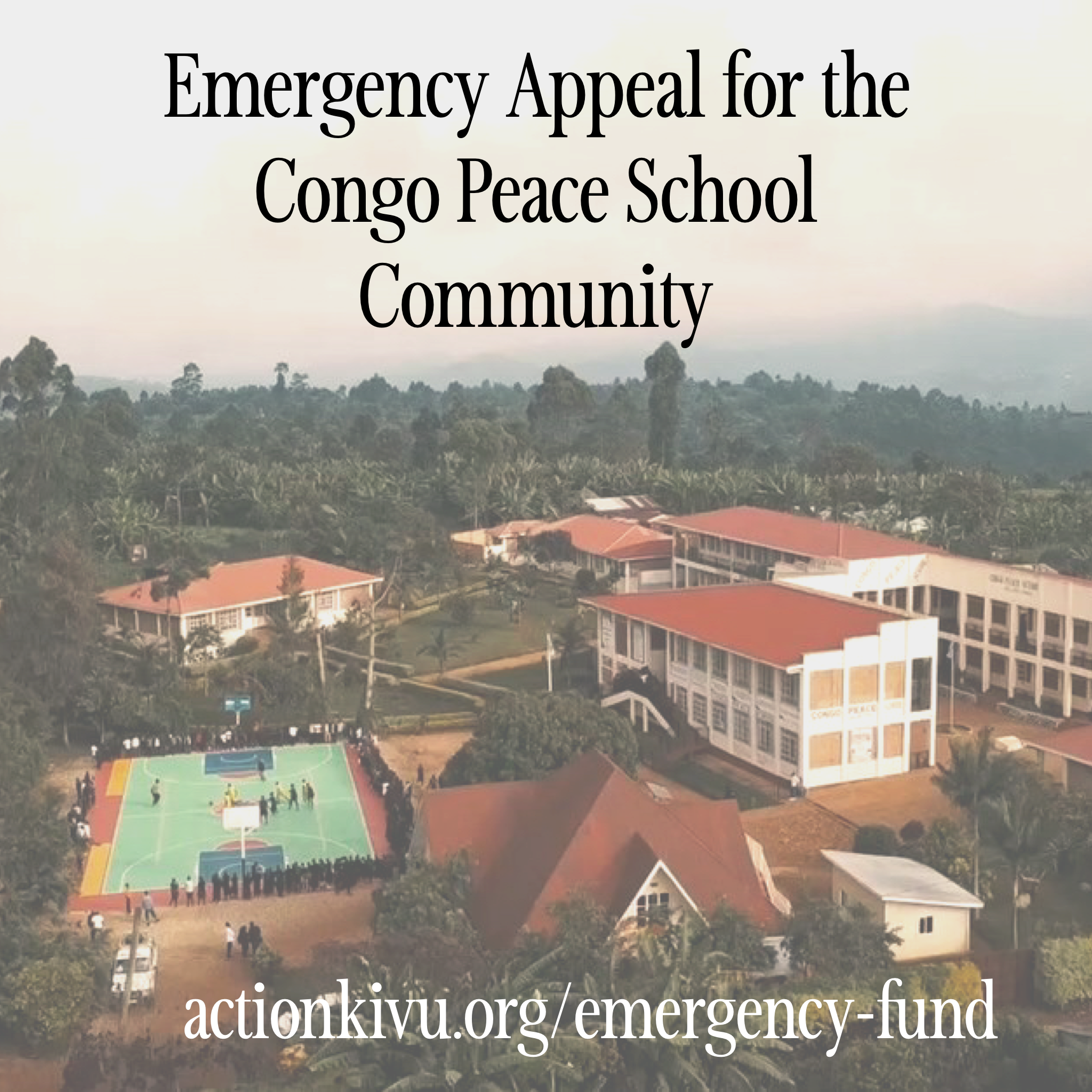
The Congo Peace School remains open, though for safety reasons, the students leave campus immediately after classes are over, and are not able to make the most of the school’s resources, a library stocked with books via our friends at Books for Congo, a computer lab with connection to the internet, the basketball court, the soccer field, and the beautiful green spaces to play and relax. When asked what message they want to share with the world, they say they simply want peace.
With its safety protocols so strong, the school was selected to be the official location for the local 6th grade elementary national exam at the end of the school year, to graduate students into secondary school.
Erik Prince reaches deal for U.S. / DRC critical minerals agreement. (Read here.)
Rwanda says it is in talks with U.S. on possible minerals deal. (Read here.)
::Update from the students at the Congo Peace School::
After we learned the following attacks on community members had happened, we scheduled a Zoom to speak to some of the students, to give them a platform to share their experiences with you, the supporters of the Congo Peace School.
Over the night of March 12-13 the community near the school was attacked by armed people who have not yet been identified. They went through different households using guns to fire rounds to terrify people then force open doors and break into homes. The attackers could be any of the following: uncontrolled M23 soldiers (M23 members who have broken away from a commander), remnants of FARDC (Congo's national army) soldiers who could be hiding in the jungles near the community, or armed criminals who escaped during the Bukavu prison break that happened when the M23 took control of the city of Bukavu. A few weeks ago, uncontrolled M23 soldiers were caught by local community members in Bukavu and M23 authorities recognized they were their troops, but were no longer obeying orders by M23 commanders.
The attackers were forcing people to give them money and taking anything of worth. More than 10 families were attacked. As the community learned about the attacks via mobile phone messages, they called the closest M23 positions that are stationed in Nyangezi, south of Mumosho at 4 km, but M23 did not send any support to end the attacks. (As the M23 is now in control, there is no local police force to call for help, only M23.) Every house they looted they stole the families' cell phones and took young people with them so that no one could alert their neighbors.
The group of attackers broke into the home of a senior at the Congo Peace School, the proud captain of the school's girls' basketball team. The perpetrators took her from her family after looting some money and other objects of value, and held her captive from 8:30pm to 1am, forcing her to move with them as they attacked each next home. She was not raped, a common weapon of war in Congo. She is aware of the stigma of reporting rape but is not afraid to speak up. In fact, we learned that when the attackers were about to shoot a neighbor for having no money, she spoke up and defended him, saying, "I know him, and I know he has no work. How is he supposed to have money?" The attackers did not shoot the man.
A few weeks after that attack, the basketball captain and several of her classmates joined us for a Zoom conversation.
I asked how their daily lives have changed, and in addition to talking about the limited amount of time that they now spend at the school, one girl noted: “We are living in a battlefield. Nyangezi, where some of our classmates come from, is where the fight, the actual fighting, is happening. We are affected by what is going on directly.”
I asked how they define a good leader, and the basketball captain responded: “How do you want us to define leaders where we have no leaders, we no longer have models, we no longer have people taking the situation in charge. I was kidnapped from my home not far from the Catholic Church, and everyone in the community was alerted. They tried to call the so-called leaders, but no one came to my rescue or to help the others being attacked.
“So we have no definition of a leader right now, because the people who were leaders are supposed to be in charge, but they are not in charge. The M23 are not in charge because they were called and did not come for our rescue. So we are worried.”
I asked her about that trauma, and if she has been able to speak to the school counselor about it. She replied, “Yes, and my classmates and some of the teachers came to see me to support me.”
Asking again what they want to share to those of us outside Congo, one of the girls pulled the laptop toward her and looked directly at the screen, quoting the 6th Kingian Principle of Nonviolence that they study, the universe is on the side of justice. “But what is justice for us?” she asked. “We want the world to work for justice in Congo.”
NEXT STEPS:
TAKE ACTION: Sign the Amnesty Petition to ask the NBA: HELP STOP RISING VIOLENCE IN THE DRC. Click HERE, and share.
CALL your representatives and voice support for the Congolese people, that they hold to account any party that violates the peace agreement and that any critical minerals agreement will center Congolese citizens’ human rights.
DONATE: Invest in the people of Congo through emergency aid and long-term peace-building projects.
Thank you for your partnership in this life-saving and world-changing work.
The War and the Peace School: humanitarian aid, actions to take, and a fable from Congo
Updates on the war and news from the Peace School, the potential opening of Goma airport for humanitarian aid, actions to take, and a fable from Congo 3|28|2025
The power of myths and proverbs often influences our daily lives, stories woven into the fabric of our culture or society so oft-repeated, we may not recognize how they shape how we think and act. With the wars in Congo past and present, the proverb that was selected as the title to the 2015 documentary When Elephants Fight is often in the back of my mind.
When elephants fight, it is the grass that suffers.
The Congo Peace School is operating. Action Kivu is able to send money to buy food, to pay the staff, and to begin to help meet the emergency needs this ongoing war has created. Soldiers on all sides have looted peoples' homes and small businesses, leaving them no money and no food. The roads are too dangerous to walk far for supplies or to find work. Families are going hungry, and you can help.
$120 will provide a family of 6 with corn flour, rice, beans, salt, sugar, a bucket, basin, cup and some basic medicine to feed and care for them for 3 weeks. Through the safety of the Congo Peace School campus, we may be able to serve up to 500 families each weekend. We are assessing and meeting other needs as they arise. DONATE HERE.
The Peace School has several security protocols in place, and will close for any day it is not safe to gather. As it is not safe for the students to linger at the campus after classes are over, Amani and I woke early (4am pacific) to be able to zoom with some of the students while they were on lunch break, giving them the platform to share their stories with you, so that we can amplify them. We'll be sharing those here, soon.
::UPDATES::
At the school, the community grieves as one of our staff lost her brother to the war. He was killed by M23 on March 17. The roads near the school remain heavily militarized most of the time.
The people are caught in the middle of the warring factions. M23 advises civilians not to support the Wazalendo (Swahili for "patriots") - armed militia who are without training in the international laws around war. The Wazalendo are telling civilians not to support M23.
M23 continues to harass and attack civilians in South and North kivu Kivu. A close contact had taken a taxi to the market for food, and on returning, the taxi passed by a slow moving M23 vehicle, and the rebels stopped the taxi, and beat the person so badly he had to go to the hospital. The doctors have said he will recover, bodily, but we know the trauma of living in this terror will take years of mental health work to heal. Another taxi driver was beaten and tortured almost to death for "bad parking" when dropping off a passenger in Bukavu.
This morning (28 March) an agreement was reached for a ceasefire at the Goma airport between the AFC-M23 forces and the SADC for the SAMIDRC troops removal, and a path to open the Goma airport (after reconstruction) seemingly under M23 control, to allow humanitarian aid shipments to reach the people of the Kivus. The Peace School sources some of its food from Goma. Read more here.
Rep. Ronny Jackson (R-TX) visited the region recently and upon his return, spoke at the House Foreign Affairs Subcommittee on Africa.
As we know the stories we tell matter and have real-world consequences, we want to be sure to correct a statement he made (you can watch his portion here.)This post on X summarizes why he was factually incorrect about Rwanda's historical control of DRC's land.

At a different forum, Amani was able to speak up after there were questions about the idea of annexation of eastern DRC by Rwanda. From Amani: "There can be no annexation, and no military solution. Violence only escalates with military force and does not protect the Tutsi minority in Congo [that Rwanda's President Kagame states needs his military protection], or human rights overall. The solution is already available to us in the Addis Ababa Framework [signed in 2013 when M23 was first occupying Goma].
What is the Addis Ababa Framework Agreement on Peace, Security and Cooperation in the Democratic Republic of Congo and the Region? Congolese doctor and Nobel Peace Prize Winner Dr. Denis Mukwege reflects on it 10 years after its signing. Read here
A summation and path forward in A Way out of DRC's Proxy War, by Sasha Lezhnev and John Prendergast. Read here
Friend of Action Kivu and the Senior Policy Advisor at The Sentry, Sasha Lezhnev also shared some of Amani's civil society data when testifying on Capitol Hill to the House Foreign Affairs Subcommittee on Africa:
"At present, there are reportedly over 450 illegally operating mining companies in South Kivu, mainly run by Chinese nationals, 50 who have been involved in smuggling up to eight tons of gold annually. According to Congolese civil society representative and Harvard Visiting Fellow Amani Matabaro, in these mining areas, 'the rate of severe malnutrition among children under five years old is high, many children are out of school, there is an unbearable degradation of water ecosystems, and the rainforest is being washed out. …The [mainly Chinese mining operations] have no permits, their production is not traced, they corrupt and engage armed forces in their activities, and they have no social responsibility commitments.'"
Read the whole of what Sasha shared here.
Congo rebel leader says sanctions or minerals deal with the US won’t stop fighting in the east - read AP story here.
On Monday, the conflict flared up again, with rebels reneging on a pledge to withdraw from the strategic town of Walikale in North Kivu province. Read the story here.
A delegation from the UN Group of Experts was supposed to meet the AFC-M23 leadership in Goma to discuss questions concerning the situation in areas controlled by the rebel group, but AFC-M23 canceled the talks.
Our partner in humanitarian work, PAEMA highlighted a recent article from Al-Jazeera includes helpful maps, numbers and a timeline
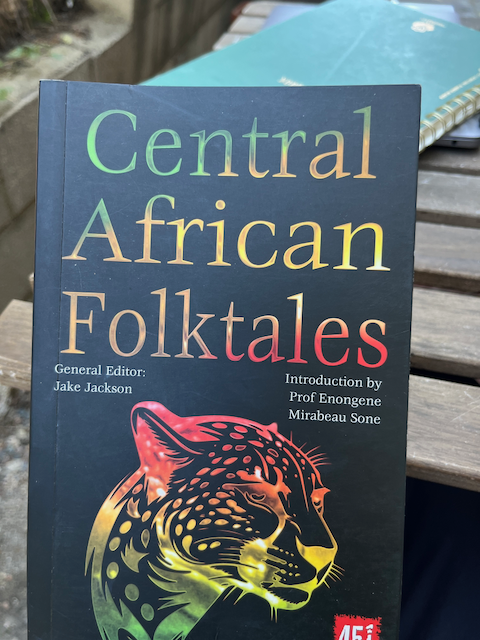
Picking up that book on Central African Folktales, I read a short fable that resonates with me, and the kind of community we are all building through education rooted in peace and nonviolence.
Why the Small-ant Was the Winner
(From the Lower Congo Basin)
One day a fierce Driver-ant and a Small-ant had a long discussion as to which of them wad the stronger.
The Driver-ant boasted of his size, the strength of his mandibles, and the fierceness of his bite.
"Yes, all that may be true," quietly answered the Small-ant, "and yet with all your size and strong jaws you cannot do what I can do."
"What is that?" sneeringly asked the Driver-ant.
"You cannot cut a piece of skin off the back of that man's hand, and drop it down here," replied the Small-ant.
"Can't I? All of you wait and see," said the Driver-ant.
Away he climbed up the man until he reached the back of his hand. At the first bite of the strong mandibles, the man started, and, looking down at his hand, saw the Driver-ant, picked it off, and dropped it dead at his feet right among the waiting crowd of ants.
The Small-ant then climbed to the place, and gently, softly, with great patience he worked round a piece of skin until it was loose, and he was able to drop it to the ground. The waiting throng of ants proclaimed him the winner, for he had done by his gentleness and patience what the other had failed to do by his strength and fierceness.
Patience feels ... out of place when we are crying out for a war to end, for the body count to end, for children to be able to walk to school without fear of rape or death.
That kind of patience and gentleness is not what I'm thinking about. But we do know that the seeds of peace planted now will take root and bloom in ways we cannot predict, long after we're gone from the earth.
The kind of patience we need is the aspect that takes determination, a ferocity of hope that we will not give in to hopelessness or helplessness. Thank you for continuing to ferociously work for peace, in even the most gentle ways: with your thoughts, your actions, your support, and the stories you tell.
The Peace School remains open, a podcast rec, and more
Update from Congo Tuesday, March 11 2025, plus a podcast from Human Rights Watch that quickly and thoroughly sums up the history of the recent and current wars between Rwanda & Congo wars, and ways to use your voice (or keyboard) to help ring the alarm. Read on:
The Congo Peace School (CPS) is open and its activities have resumed as usual.
Clean water is running into the campus, burbling from the nearby reservoir through pipes and taps the community helped build and into the cups the students drink from. It’s filling the sinks and flush toilets that allow them a healthy day without the threat of cholera.The teachers and staff are trained in recognizing signs of trauma, and when a student needs care, there are counselors to visit, safe places to rest.
We learned of eight young children in the area - not CPS students - who have died from malnutrition, as their families’ sources of food and small amounts of income were looted by soldiers from all sides of the conflict as they moved through the villages, and we will be assessing how we can provide food and resources.
Yet another challenge from the M23’s invasion is the soaring cost of food and supplies. Humanitarian aid is being restricted along many routes. Humanitarian aid itself has also been decimated by the Trump administration canceling of many USAID contracts and firing staff, ending the jobs of the people responsible for ensuring the most vulnerable among us have access to food, medical supplies, vaccines, malaria treatments, the list goes on and on. Additionally, the various factions of fighters all looted food and small businesses as they ravaged the land.
The Congo Peace School and Amani’s nonprofit ABFEC staff are assessing what is available to eat from the school’s farm and the community farm that Action Kivu supports outside the school budget. That farm also acts as the teaching farm for the students as well as providing plots of land for community members to grow their food. Over the years, it has expanded from growing cabbage and other vegetables to raising tilapia fish in three small ponds, as well as training staff in animal husbandry to provide manure to enrich the soil. In a few weeks time, there will be enough cabbages harvested to feed the school’s population for two weeks.
The fact that everyone is finding creative ways to support each other and continue providing this world-changing education rooted in peace and nonviolence is a testament to the shared belief in the mission of the school. Together we can create peace within ourselves, our classrooms, our communities, our cities, and our countries. We can lead with love and respect for every person, regardless of where they were born, the color of their skin, or how much money they have.
You are a part of this. Thank you.
Boats are once again traversing Lake Kivu, and the school staff is talking with suppliers about how much bulk food will be available for purchase and what the cost is now.
UN update: This afternoon (11 March), Security Council members met in closed consultations to discuss the situation in eastern Democratic Republic of the Congo (DRC). France, the penholder on the file, requested the meeting. Under-Secretary-General for Peace Operations Jean-Pierre Lacroix is expected to brief Council members on his 27 February-1 March visit to the DRC, where he engaged with Congolese authorities on the security situation in eastern DRC. His visit also included discussions on ongoing diplomatic and political efforts aimed at achieving an immediate cessation of hostilities in North Kivu and South Kivu provinces. Lacroix’s visit followed the adoption on 21 February of Security Council resolution 2773, which demanded the immediate cessation of further military advances by the Mouvement du 23 Mars (M23) rebel group and called for an immediate and unconditional ceasefire. (Read the full release here.)
It is maddening to not be able to stop the violence, but we are not helpless. Please continue to share stories with your circles of friends and colleagues, and can ring the alarm bell to amplify the voices of the people of Congo (and Rwanda) who do not want war, but want to live peacefully as neighbors.
This Human Rights Watch podcast entitled Congo: The Real-Life 'Vibranium' Wars, March 10 2025 is excellent, concisely hitting key points of the history of the current conflict and wars between Rwanda and Congo, and a great one to share with folks who know little about the current conflict. It notes that “in May last year, the M23 seized control of the Rubaya mine, one of the world's largest deposits of coltan.” Lewis Mudge, the Associate Africa Director at Human Rights Watch, stated: “They're carving out roads from Rubya straight into Rwanda.”
If you read a report or story that does not mention the role played by conflict minerals / critical minerals, you can send a letter to the editor, and reference points from this Reuters piece. It was reported in late January 2025, and since then, M23 has also taken Bukavu, South Kivu, and territory in and around mining concessions throughout North and South Kivu. If you look at the following map detailing the minerals in different areas of eastern Congo, and then look at the areas Rwandan-backed M23 fighters have taken or are fighting in, the strategy is clear.

List of cities / territories the M23 has taken control of / is currently fighting in, as of 11 March 2025
The Rubya mine is already under control of the M23 and they are exploiting coltan there.
The Luwowo mine is near the Rubaya mine and it is under control of M23.
In the Kalehe territory (South Kivu) the M23 has control of the Numbi mine and the region’s secondary mines such as (Fungamwaka, Lumbishi, Ngungu, Misumari). They are exploiting coltan as well as tourmaline (a rare gemstone)
The Kalimbi tin mine is in South Kivu, in the Kalehe territory near Nyabibwe, and is under control by the M23.
In the Walungu territory, M23 made a quick move to the Mukungwe and Nyamurhal gold mines; they are still fighting. On Sunday (March 9th) several people were killed by M23 in Walungu. As of Monday (March 10) M23 has taken control of the city of Nyabyondo, in the Walikale territory known for the abundance of critical minerals including tin, tungsten, tantalite, gold, and lithium. Walungu is on the way to the Mwenga territory, known for its abundant reserves of gold.
On Monday (March 10th) M23 advanced to Kaziba where there is a huge gold company nearby called Twangiza gold mine, they are still fighting over there.
The road to Uvira is not only to control the city but to make an easy move to the Fizi territory in order to control several gold mines there.
Call your representatives. Governments are starting to put pressure on the Rwandan government to stop funding M23. Encourage them to keep doing so. Demand a ceasefire and peace talks. The Congolese government needs to be held accountable for its years of poor governance for its people as well. The people of Congo deserve free education, paid work, working roads, healthcare, and clean water. This is a time to stand for and speak up to power for the people of Congo. In the U.S., you can find your representatives here: https://www.congress.gov/members/find-your-member
Share stories: Remind friends and colleagues that these kids are who we are fighting for, for these children to grow up safely and be our future leaders, emboldened with the knowledge of and practice in nonviolence, equality, and healing from trauma.
In that HRW podcast, the host's father is one of the Congolese people he speaks to, and it is heartbreaking to hear him reflect on how many people have died from the wars in Congo (over six million) and that "nobody in the world – excuse me the word - gives a damn. Nobody cares."
Thank you for caring, and your ongoing commitment for peace in Congo, Africa, and our world. If you'd like to support Action Kivu's work in creating safe spaces for equality, nonviolence, and peace education to take root, please donate here.
Peace School Reopens Amidst M23 Occupation and Advances
Update from Congo – as of Tuesday February 25 2025
The students of the Congo Peace School returned to their campus for the first time since the school closed to protect students and staff from the surrounding battles between the M23 rebels (and RDF) and the Congolese army (FARDC). It was very clear how shaken everyone was. At the secondary school, a total of 214 students (of the enrolled 240) came in today: 109 girls and 105 boys. One teacher did not come because he lives in Nyangezi, an area where much of the fighting took place. Yesterday, many people living in Nyangezi began leaving for locations much further from the main road, afraid of the return and confrontations between the FARDC and the M23 militia who is controlling the area.
At the preschool and elementary levels, 61 children in three preschool Nest classes were present (out of the usual 83) and 183 elementary school students (of the enrolled 240) were present. The staff hopes that over this week, all the students will come. The return is voluntary, as people are terrorized and afraid and the situation is not stable. Everyone is fearful and lost so much already, their homes and small businesses and markets looted by the rebels.
Meals were served to the total 458 students from all levels. The situation is devastating and everyone will be in greater need of mental health support when the situation stabilizes. Meals are a critical part of the Peace School’s program, many of these students are not able to eat at home. As we keep an eye on the security situation and when the banks will reopen, Amani has asked the school principals to be careful about the use of the school’s remaining food to ensure it can be used wisely to cover the weeks the school has been closed.
We learned that the third grade Peace School teacher Bahati has returned home. Bahati had been missing and upon his return, we learned he was first taken by the Congolese soldiers, who made him transport them with his motorcycle, and then by M23. Yesterday he came back alive but very tired, hungry, thirsty, and thin as he was not fed and was denied access to clean drinking water.
Yesterday Amani reported that the area around the school was free from military presence and fighting (no M23, no FARDC soldiers visible). The M23 leaders called for schools to reopen in places where the fighting is not taking place, but people are afraid to open schools, especially in rural areas with secondary schools as they suspect the rebels will use the gathering of school populations to force youth to join their forces. A few schools in Bukavu reopened yesterday but not many students showed up.
It is very clear that both teachers and students are living with constant fear of a very volatile safety situation where anything might happen any time. Secondary school students are worried that the rebel group will forcefully recruit them, girls are very much afraid of rape as it is rampant, everyone is afraid of armed fighting breaking out at any time.
Amani and the school’s staff plan to reach out to experts in the field of education in conflicts and emergencies to advise on what to do, and how to manage the situation right now.
OTHER UPDATES
The Guardian reports “about 7,000 people have died in fighting in the east of the Democratic Republic of the Congo since Rwanda-backed M23 rebels started renewed advances in January, the DRC’s prime minister has said. At a high-level meeting of the UN’s human rights council in Geneva on Monday, Judith Suminwa Tuluka also said the war had left about 450,000 people without shelter after the destruction of 90 displacement camps.”
If you’re reading the news about DRC, you may have read reports like this one, with a headline saying that Congolese police “join rebels,” and have questions about why they might do so. Amani reminds us: “It’s war, and these police officers were captured and are being forced to join the M23 rebels.”
While the M23 took Bukavu in South Kivu, no one is yet “running it,” as the rebels have not yet appointed a governor or mayor. In Goma, in North Kivu, they were very quick to set up a parallel government. There are theories that they are not doing the same in Bukavu due to threats of sanctions to Rwanda by the international community. (If you missed it, on Friday the United Nations Security Council called on Rwanda's military to stop supporting the M23 rebel group in eastern Democratic Republic of Congo and immediately withdraw all troops from Congolese territory "without preconditions." The 15-member council unanimously adopted a French-drafted resolution urging the DRC and Rwanda to return to diplomatic talks to achieve a lasting peaceful resolution. News here.)
Last week the U.S. sanctioned James Kabarebe, a long-time ally of Paul Kagame, whom the U.S. said was “central to Rwanda’s support for the M23 Movement.” The U.S. also sanctioned Lawrence Kanyuka Kingston (Kanyuka), an M23 and Congo River Alliance senior member, alongside two of Kanyuka’s companies registered in the U.K. and France.
Today the UK issued this statement, with demand for a political solution and a withdrawal of RDF (Rwandan Defense Forces) from Congo, and that “until significant progress is made, the UK will take the following measures:
Cease high-level attendance at events hosted by the Government of Rwanda.
Limit trade promotion activity with Rwanda.
Pause direct bilateral financial aid to the Government of Rwanda, excluding support to the poorest and most vulnerable.
Coordinate with partners on potential new sanctions designations.
Suspend future defence training assistance to Rwanda.
Review export licences for the Rwanda Defence Force.”
In a clear sign of attempts to legitimize their control over North Kivu, the M23 has installed a new governor in Goma, Bahati Musanga Joseph, as well as two deputies to govern the city and province. Due to a cash shortage, the new Governor has reportedly asked bankers in Goma to negotiate with financial institutions in Kinshasa (the capital of DRC) to arrange for funds to be sent, potentially through Uganda.
The fighting has continued to take place near Uvira on the borders between DRC and Burundi. In both Bukavu and Goma, it's not safe yet, especially for women and girls. There is pressure by the international community on Rwanda to withdraw their troops and then engage in a dialogue between the Congolese and Rwandan governments, but it is going to take time before this is translated into action.
An update on the EU-Rwanda MOU: The European Union will reconsider its recent critical raw materials agreement with Rwanda in response to conflict in the east of the Democratic Republic of Congo (DRC), High Representative Kaja Kallas has said. But the bloc will not follow the US's lead in sanctioning on Rwandan officials, with EU foreign ministers rather reaching a “political decision” to introduce potential sanctions “depending on the situation on the ground.” (Report here.)
As many of us think more about the concept of the “attention economy” these days, we are grateful you are turning your attention to the suffering of the people of Congo who want nothing but peace and a future for their children.
Update from Congo War: The dam breaks, and what a barrage looks like
“The M23 rebels on Sunday captured Bukavu, a city of 1.3 million people, after seizing Goma, 101 kilometers (63 miles) to the north last month. At least 3,000 were reported killed and thousands displaced in the Goma fighting.
“The M23 is the most prominent of more than 100 armed groups vying for control of eastern DRC’s trillions of dollars in mineral wealth that’s critical for much of the world’s technology. The rebels are supported by about 4,000 troops from neighboring Rwanda, according to UN experts.” – excerpt from CNN report
The Peace School has not been attacked, and remains closed for safety. M23 has control of the region, and there are reports of gunfire and bombs. Our security guards know they can leave any time they sense threat, but thus far they have stayed, and reported that military members of Congo’s army (FARDC) showed up and asked to be let into the campus. They scoured the campus and left without taking or damaging anything. I picture heavily armed soldiers staring at the school’s walls that are filled with art and messaging about nonviolence and how to practice peace and forgiveness, and my mind reels at the irony. My mind rages at the idea of this beloved place built for peace to be filled with the weapons of war. Some of the faces of the folks who built the Peace School, from my visit in 2018:

photo by Rebecca Snavely
Many people in the area have had homes and small businesses looted. Many have fled the gunshots and bombing.
We were sent this photo of two little boys, and the report that the Congo army had outfitted and armed them as soldiers. That they had been killed by M23 rebels. The UN is investigating the M23 summary execution of children in Bukavu (PBS Newshour story here).

My dam has broken, I texted Amani. I’d been able to hold back my sobbing, to try to focus on facts and calling representatives and what to do next. But now, when someone asks how my day is, my dam breaks. Walking around our local park, watching kids play and kick soccer balls and cry out to each other, my dam breaks.
My dam had been built of moments of dissociation, not allowing myself to picture the individual students and staff members and families I’ve met over the years in Congo. But knowing that soldiers’ boots had wandered the auditorium where our young peace ambassadors gather to read in the library, to recite poems and perform plays they have written, broke through my walls. Knowing that the playground and basketball court are no longer filled with the cheers of children broke into my resolve.
The tears that pushed through the dam are for Anouarite, who was orphaned and thus had no one send her to school (public education in DRC is *supposed* to be free, but often the teachers are not paid, and the families pay out of pocket). Anouarite was so determined to get an education that she joined Action Kivu’s adult women’s literacy class before the school was built. I was visiting during the final stages of construction in 2018, and noticed her amongst all the grown women in the adult literacy class, and learned that Anouarite was 10 years old. As Amani and I started to say our goodbyes, Anouarite stood up and addressed Amani. Barely four feet tall, she stood strong and confident and asked if she could attend the Congo Peace School when it opened in September. Amani said yes on the spot, as part of the criteria to select students is to find those most vulnerable, who have no one to look out for their education, as well as to find strong leadership potential.
As we celebrated her drive and determination to get an education, she interrupted: "But I have no uniform." Amani assured her that the uniform and supplies are part of the school, and she would be well cared for. (Anouarite’s story here)

Anouarite pictured in the right front of top photo amongst the women of the adult literacy class, and jumping into the aisle of her first grade class two months later. Photos by Rebecca Snavely
One of the women who make those school uniforms is Ernata, who has survived years of trauma and loss. After graduating our Sewing Workshop training, Ernata started her own sewing business and began training other women. I first met her in 2011, and remember how strong her clasp was on my hand as we posed for a photo. Every time I visit, I see her and am inspired by the life she has created for herself, her children, and those around her.

Ernata in her workshop, 2023. Photo by Rebecca Snavely
I think of Benjamin, and his smile and warmth. Benjamin is Amani’s right hand man who knows everyone in the community and arranges our home-visits, calling ahead to make sure folks are there so we can hear about their lives. Benjamin, who saw his brother killed in the previous Congo wars, and who is a skilled photographer, untrained but with a natural eye for composition.

Benjamin in front of the chalkboard in the Peace School’s computer lab, 2023. Photo by Rebecca Snavely
I think of Rosalie, one of our first graduating class, who is now in university and determined to do all she can for a peaceful world. I think of the looks in the eyes of the children as they practiced a new art form, and shaped new realities in clay, artists all.

***
Reports from the field
Monday, February 17:
· As M23 has conquered the city of Bukavu, today they moved southwards to Mumosho and Nyangezi Road #5, many DRC and Burundi troops had set up a road block in the Mumosho / Nyangezi area where heavy fighting took place with bombs and heavy artillery. Many people were forced to flee their homes in both Mumosho and Nyangezi. The M23 -RDF (Rwandan Defense Forces) coalition are visibly armed with advanced technology equipment and using drones for surveillance and localization.
· There are reports coming out of Burundi to be verified, that youth from Congo who moved there to study or fled there from the war are being gathered and commissioned into armed service to be sent back to fight in Congo.
Tuesday, February 18:
· The strategic city of Kamanyola on the border of Congo, Burundi, and Rwanda has just been conquered by the M23 rebel group. This will make it easier for Rwanda to deploy troops into Congo.
· Burundi’s army is withdrawing from Congo. Burundi has had troops in eastern DRC for a number of years to primarily fight rebels stationed in Congo and intent on conquering Burundi, but since the beginning of this escalation of war by M23, Burundi had been aiding DRC troops to fight M23. They appear to be withdrawing to defend their own country. (Reuters report here.)
· Cases of Mpox and cholera are on the rise in the camps of the people displaced, as they are denied access to clean water and supplies.
· The Red Cross is recovering bodies from Bukavu, the number is not yet fully counted but was at 26 on Tuesday the 18th. When M23 captured Bukavu, the FARDC had not engaged in battle, to spare civilian lives in the crowded city. (A video of the busy market area from my last visit in 2023.)
Thursday, February 20:
· M23 is approaching Uvira, which is located at the intersection between Bujumbura in Burundi, and the city of Kalemi. If they capture Uvira, it becomes very easy for the rebels to control the southern part of South Kivu, and also to advance to Kalemi, a strategic city as it opens the roads to Lubumbashi, the capital city of the mineral-rich province of Katanga.
***
It is difficult to express the depth to which the chaos and terror reaches. So many people want to help those who are suffering, to send food and supplies. Banks are not safe to wire to, and when we can, we will be wiring to our colleagues with mobile banking. But currently, in Goma and Bukavu and surrounding areas, it is not safe to go out to purchase the food / supplies and then distribute them. We have reports that M23 are targeting key civil society and NGO leaders, thus, it is not safe to gather in groups or move freely to buy and distribute food, even if there is food and supplies to distribute.
Your donations to Action Kivu will be life-saving. As soon as it is safe to do so, the school will resume classes and meals. The need for the greater community will have increased, as so many have been without access to food or work for so many days, and we will determine how we can help meet those needs. We partner with a trusted local NGO in Goma, and we will also be looking for ways to distribute food and supplies there as well.
When I wrote “my dam is breaking” and let the tear flow, I looked up what the word dam translates into in French, Congo’s language of colonization and the one used in education. It is barrage. My first understanding of barrage as we use it in English is actually flow, not stoppage. A barrage of, well, tears. A barrage of letters arrived at the capitol. Merriam Webster’s first definition of barrage as a noun is : a dam placed in a watercourse to increase the depth of water or to divert it into a channel for navigation or irrigation. Number 2 definition is what I’m more accustomed to using: a vigorous or rapid outpouring or projection of many things at once
a barrage of phone calls
unleashed a barrage of insults
an oratorical barrage
As I think about my personal barrage breaking, I want to embrace the version of barrage that is needed right now. An outpouring.
An outpouring of love and community building and raising awareness, please share the news stories about the war, and the individual stories of our beloved community in Congo.
An outpouring of calls to your representatives: that we are outraged this is happening. That they must pressure the presidents of Congo and Rwanda (and the other bordering countries) for an immediate ceasefire, and a transparent supply chain of minerals that are sourced in Congo (especially those needed for our technology and green energy future, cobalt, gold, and the three Ts: tin, tungsten, tantalum. (Read more about conflict minerals here.)
Corruption flourishes in darkness - the more people aware of what is happening in DRC and crying out for peace, the more pressure on the leaders of the countries to comply with the rule of law and justice. The leaders of DRC must also be held accountable for the corruption over the years, a rich country populated by people living in extreme poverty with little access to work, food, clean water, or education.
The CNN article linked above states it clearly: The M23 is the most prominent of more than 100 armed groups vying for control of eastern DRC’s trillions of dollars in mineral wealth that’s critical for much of the world’s technology. And the people of Congo suffer.
We are grateful for your attention on this barbaric war, rooted in greed and power, that is crushing the people of Congo. The need for the Congo Peace School’s teachings of nonviolence and peace within ourselves and within our communities and country are never more critical than now.
In solidarity,
Rebecca, with Amani’s reporting and review
Read more, including more history of the relationship between Rwanda and DRC: https://www.bbc.com/news/articles/cgly1yrd9j3o
Sanctions from the U.S. Treasury on February 20, 2025
—
Rebecca Snavely, Executive Director
Action Kivu
-
2026
- Jul 11, 2026 Congo Peace School Update: Class of 2026, Ebola Prevention, Student Reflections, + a Campus Tour (Video) Jul 11, 2026
- May 26, 2026 Ebola & the Congo Peace School: News, needs, gratitude May 26, 2026
- May 23, 2026 Congo Peace School Ebola Response & Emergency Funding: Action Alleviates Anxie May 23, 2026
- May 12, 2026 Spring at the Congo Peace School: Positive vs "obnoxious" peace, updates from alumni + tree planting to practice nonviolence May 12, 2026
- Feb 25, 2026 Unreported stories of war, plus hope, curiosity, and healing at the Congo Peace School Feb 25, 2026
-
2025
- Dec 22, 2025 Blank Chalkboards, Roses, and Our Attention: Congo Peace School and Peace in the Midst of War, with Messages from the Students Dec 22, 2025
- Sep 19, 2025 Amidst war, the Congo Peace School celebrates the class of 2025, and starts a new school year with song Sep 19, 2025
- Aug 23, 2025 CPS Summer Update: Voices from Congo as the war rages on, despite peace processes Aug 23, 2025
- Jun 25, 2025 The Puzzle of Peace: Update from the Congo Peace School and news from DRC / Peace Agreement Jun 25, 2025
- May 8, 2025 The War and the Congo Peace School: a brief overview to share + video May 8, 2025
- Apr 25, 2025 A Declaration of Peace and Words from Peace School Students Apr 25, 2025
- Apr 7, 2025 The War and the Peace School: humanitarian aid, actions to take, and a fable from Congo Apr 7, 2025
- Mar 11, 2025 The Peace School remains open, a podcast rec, and more Mar 11, 2025
- Feb 26, 2025 Peace School Reopens Amidst M23 Occupation and Advances Feb 26, 2025
- Feb 20, 2025 Update from Congo War: The dam breaks, and what a barrage looks like Feb 20, 2025
-
2024
- Nov 14, 2024 Lessons in Courage (and French): Sept & Oct at the Congo Peace School Nov 14, 2024
- Sep 6, 2024 First Distribution to Internally Displaced Peoples Camps (IDP / CPS Campaign) PHOTOS Sep 6, 2024
- Aug 23, 2024 "I thought university was only for children of the rich..." Congo Peace School alumni now in college share their stories Aug 23, 2024
- Jun 11, 2024 To Understand the Power of Justice: Students reflect on Martin Luther King Jr.'s Principle Six (Nonviolence) Jun 11, 2024
- Apr 25, 2024 The Meaning of Spring at the Congo Peace School Apr 25, 2024
- Jan 25, 2024 Action Kivu's Amani Matabaro: Co-Author on Paper About Intimate Partner Violence in Conflict-Affected Settings Jan 25, 2024
- Jan 12, 2024 Revolutionary Education! How the Peace School / Congo Nest Preschool is Creating Fundamental Change Jan 12, 2024
-
2023
- Dec 15, 2023 Congo Peace School Students' Hopes, Lives, and Interpretations of MLK's Principle Four Dec 15, 2023
- Oct 30, 2023 UN Report on Children in Congo & MLK’s Nonviolence Principle Three - Oct 2023 at the Congo Peace School Oct 30, 2023
- Sep 13, 2023 100% Success! Congo Peace School National Exam Results Sep 13, 2023
- Sep 11, 2023 Back to School! Class of 2024 Goals, Summer Sculptures, & Computer Class Sep 11, 2023
- Jul 17, 2023 Welcome to Graduation Day at the Congo Peace School (the first ever!) Jul 17, 2023
- Jun 12, 2023 Menstrual Hygiene Day w/ Sanitary Kits & Sex Ed Jun 12, 2023
- May 10, 2023 What makes these students smile, and how it's part of the practice of nonviolence May 10, 2023
- Apr 5, 2023 March at the Congo Peace School: Women's History *and present, and future* Month: Female students and staff share how their lives have changed Apr 5, 2023
- Feb 17, 2023 The Key to being Unstoppable: Amani on the Power of Education and an Update from the Congo Peace School Feb 17, 2023
-
2022
- Dec 2, 2022 Messages from Congo of gratitude and hope in action Dec 2, 2022
- Oct 21, 2022 New Videos: Congo Peace School 6th Grade Graduation, Preschool Student, and Students Reflect on Art Oct 21, 2022
- Aug 25, 2022 Art Class at the CPS: Fostering Creativity, Curiosity, and Healing Aug 25, 2022
- Jul 6, 2022 Transforming Ourselves to Transform the World Jul 6, 2022
- Apr 12, 2022 Rosalie's Story & Charlene's Studies (March 2022) Apr 12, 2022
- Mar 16, 2022 Hope in the Dark: One Student's Determination Mar 16, 2022
- Feb 1, 2022 Congo Peace School Student Stories on MLK's Impact in Their Lives Feb 1, 2022
-
2021
- Nov 29, 2021 2021 Matching Grant Drive Nov 29, 2021
- Nov 29, 2021 Daniel's Dreams & Guided Imagery + Matching Grant Drive through Dec 31 Nov 29, 2021
- Oct 24, 2021 Back to School! New classrooms & new students at the Congo Peace School - October 2021 Oct 24, 2021
- Sep 12, 2021 Guava Trees & Cornhole: Lessons of Living in Peace with the Earth & One Another Sep 12, 2021
- Aug 10, 2021 Clean Energy & More Classrooms: The Power of Individual Actions when Combined in Community Aug 10, 2021
- Jul 5, 2021 Power of a Dream: Congo Peace School students reflect on peace practices Jul 5, 2021
- May 6, 2021 A Practical Way to Teach Patience: April at the Congo Peace School [2021] May 6, 2021
- Apr 12, 2021 Save the date! Action Kivu Presents NIGHT OF FUN & GAMES to benefit the Congo Peace School Apr 12, 2021
- Apr 12, 2021 March at the Congo Peace School: Unbroken Web of Life Apr 12, 2021
- Feb 28, 2021 The impact of one word: February update from the Congo Peace School (and farm) Feb 28, 2021
- Jan 14, 2021 Amani on the lessons of 2020, our global family, and hope for the future Jan 14, 2021
-
2020
- Dec 14, 2020 Recyc Trike + Rice Harvest + Students Share: Nonviolence and Caring for the Earth Dec 14, 2020
- Nov 30, 2020 Giving Tuesday: Photos to post, gratitude to give Nov 30, 2020
- Nov 11, 2020 Gratitude, Peace School, and Preschool in Congo Nov 11, 2020
- Oct 18, 2020 Math + Masks: Back to School [Congo Peace School] Oct 18, 2020
- Sep 5, 2020 The Possibility and Power of Nonviolence in our Environment Sep 5, 2020
- Aug 4, 2020 Regaining a Kind of Paradise: July 2020 update from Action Kivu Aug 4, 2020
- Jul 13, 2020 Watch: Robin Wright in Conversation with Amani Matabaro of Action Kivu Jul 13, 2020
- Jul 8, 2020 Constructing the Present: June in Congo Update from Action Kivu Jul 8, 2020
- Jun 5, 2020 May 2020: Places of Peace in the Midst of the Pandemic Jun 5, 2020
- May 4, 2020 April 2020: Action Kivu's work in response to the pandemic May 4, 2020
- Mar 23, 2020 Special update: Coronavirus in Congo Mar 23, 2020
- Feb 13, 2020 $100 toward 1 laptop for the Congo Peace School Feb 13, 2020
-
2019
- Dec 24, 2019 Wrapping up 2019 with gratitude and a new organic farm! Dec 24, 2019
- Dec 2, 2019 DIY: How to make the most of Giving Tuesday (Hint: post early!) Dec 2, 2019
- Nov 27, 2019 Brewtique's Holiday Bazaar: A day of celebrating regeneration, local makers & artisans, and Action Kivu's work! Nov 27, 2019
- Nov 26, 2019 Determined to Learn: Anouarite's Story Nov 26, 2019
- Nov 26, 2019 Nsimire's Story: Taking Charge and Creating Equality Nov 26, 2019
- Nov 25, 2019 Education, Equality, & Peace: The Congo Peace School and Action Kivu's Adult Education Programs Nov 25, 2019
- Apr 30, 2019 A New Life: Sewing Workshop Class of 2018 Graduation Apr 30, 2019
- Apr 19, 2019 Rosalie: Congo Peace School's Ambassador for Peace Speaks about Nonviolence Apr 19, 2019
-
2018
- Dec 28, 2018 Amani's Message of Gratitude for 2018 and Action Kivu Year in Review Dec 28, 2018
- Dec 10, 2018 Farm to Sewing Table: Nathalie's Vision Dec 10, 2018
- Nov 30, 2018 Action Kivu's Student Educators: Ending the spread of HIV AIDS in eastern Congo Nov 30, 2018
- Nov 12, 2018 Matabaro and Mukwege: Daily Inspiration for Peace and Equality Nov 12, 2018
- Nov 9, 2018 Feminist Manifesto: Teach her to reject likeability Nov 9, 2018
- Nov 7, 2018 Congo Peace School: Training in trauma-informed care Nov 7, 2018
- Oct 8, 2018 Pascaline's Determination: Education in Congo Oct 8, 2018
- Oct 4, 2018 Bahati's Education: From Action Kivu's Sewing Workshop to Small Business Studio Oct 4, 2018
- Aug 29, 2018 Sara's New Hope: Action Kivu's Sewing Workshop Community Aug 29, 2018
- Aug 29, 2018 Nonviolence and Peace Put into Practice: Amani and the Congo Peace School Aug 29, 2018
- Aug 22, 2018 Sewing Student Justine's Plans to Lift up Congo Aug 22, 2018
- Jul 31, 2018 Meet Claudine: Organic Farmer, Future Literacy Student Jul 31, 2018
- Jul 19, 2018 Congo Peace School Student Stories 2018 Jul 19, 2018
- May 29, 2018 Yvette Cishi - Sewing Workshop Class of 2018 May 29, 2018
- May 3, 2018 Brigitte's Vision for Girls in Congo and Around the World May 3, 2018
- Mar 30, 2018 Meet Nadine, AKA Professor Math [Congo] Mar 30, 2018
- Mar 17, 2018 Chanceline's Dream: Medical School Mar 17, 2018
- Feb 16, 2018 Meeting Mapendo: Microloans, Pigs, and Paying it Forward Feb 16, 2018
- Feb 5, 2018 Congo: The Sounds of Education, the Sounds of Equality [Video] Feb 5, 2018
- Jan 3, 2018 A Song from the Action Kivu Sewing Workshop: Class of 2017 Jan 3, 2018
-
2017
- Dec 30, 2017 Reflecting on a Year and the Meaning of Life Dec 30, 2017
- Dec 19, 2017 Sewing Alum Claudine Defines Peace [Congo] Dec 19, 2017
- Dec 6, 2017 Never Too Late to Learn: At 66, Cirezi Joined Action Kivu's Literacy Program Dec 6, 2017
- Dec 1, 2017 Right to Health in Congo: World AIDS Day 2017 Dec 1, 2017
- Nov 27, 2017 Repairing the World: Be Part of Building the Congo Peace School! [Video] Nov 27, 2017
- Nov 8, 2017 HIV/AIDS Education in Congo: An Unbreakable Chain of Communication Nov 8, 2017
- Oct 23, 2017 Bulonza's Inspiration: To be among people who are helping others [Congo] Oct 23, 2017
- Oct 5, 2017 World Teachers' Day in Congo: Literacy 101 Oct 5, 2017
- Sep 15, 2017 From Sewing Student to Mentor: So Much Has Changed [Congo] Sep 15, 2017
- Sep 12, 2017 Field Report: Fresh from the Farm Harvest Sep 12, 2017
- Sep 7, 2017 3rd Grader Agisha's Faith in the Future Sep 7, 2017
- Aug 15, 2017 Cecile Stops (Foot) Traffic on the Farm: Don't Ignore Me! Aug 15, 2017
- Aug 10, 2017 As a Girl: Furaha's Girl Power Goals for Education Aug 10, 2017
- Aug 7, 2017 Cikwanine's Power for a Career in Congo: Education Aug 7, 2017
- Aug 3, 2017 A Boy and His Goat: Walking in Congo Aug 3, 2017
- Jul 26, 2017 Sewing Student Riziki Defines The Good Life [Congo] Jul 26, 2017
- Jul 25, 2017 Ex-combatants, Pigs, Pedagogy, and Peace Jul 25, 2017
- Jul 20, 2017 Bukuze at 12: Student, Peacemaker, Future French Teacher Jul 20, 2017
- Jul 11, 2017 To Protect One Protects Many: Action Kivu's HIV/AIDS Education & Testing [Photos] Jul 11, 2017
- Jul 6, 2017 Nzigire Translated: What Does She Want? Jul 6, 2017
- Jul 3, 2017 Action Kivu and Ms. Magazine: Where Women's Independence Lifts Up Entire Communities Jul 3, 2017
- Jun 30, 2017 Celebrating Interdependence: Starting a Sewing Co-Op in Congo Jun 30, 2017
- Jun 29, 2017 Celebrating 7 Years: Your Impact in Congo Through Action Kivu Jun 29, 2017
- Jun 22, 2017 Women Who Farm: Jeannette on having her own plot of land in Congo Jun 22, 2017
- Jun 14, 2017 Take Courage: Life Lessons from the Girls and Women of Congo Jun 14, 2017
- Jun 8, 2017 Wedding Season: Give the gift of a goat! Jun 8, 2017
- Jun 1, 2017 International Children's Day in Congo: Space for Kids to be Kids Jun 1, 2017
- May 1, 2017 Now You're Speaking My Language: Connecting in Congo May 1, 2017
- Apr 7, 2017 Growing Food and Community in Congo: We work faster together! We're like family Apr 7, 2017
- Apr 6, 2017 Sisterhood: Together We Feel Stronger [Congo] Apr 6, 2017
- Apr 3, 2017 Start with Love: Sewing Student Iragi on Raising Up Good Leaders Apr 3, 2017
- Jan 31, 2017 Combatting Malnutrition in Congo: Organic Food for All Jan 31, 2017
- Jan 30, 2017 An Education: From Star Student to Teacher [Congo] Jan 30, 2017
-
2016
- Dec 29, 2016 Action Kivu in 2016: A Look Back at Hope in Action Dec 29, 2016
- Dec 24, 2016 We Are the Ones We Have Been Waiting For: Joyeux Noël | Merry Christmas from the kids of Congo Dec 24, 2016
- Dec 14, 2016 Seeds of Hope - Planting Cabbage and Peace [Congo] Dec 14, 2016
- Nov 28, 2016 Show Kids in Congo Their Stories Matter: Gift 300 Kids with Shoes, Clothes, and a Holiday Meal Nov 28, 2016
- Nov 22, 2016 Microloan Mom Bahati: A Life-Saving Loan Nov 22, 2016
- Nov 17, 2016 Water is Life: The Lasting Impact of the Eastern Congo Water Project in Gender Equality and Education [Congo] Nov 17, 2016
- Nov 14, 2016 Mama Aimericiane: Accomplishment and Vision in Congo Nov 14, 2016
- Nov 8, 2016 Adolphine's Story of Hope: It's Never Too Late to Learn Nov 8, 2016
- Nov 2, 2016 Namwezi to Antoinette: My Goat is Your Goat Nov 2, 2016
- Oct 20, 2016 Meet Brigitte: Stories of Hope and a New Future in Congo Oct 20, 2016
- Oct 10, 2016 Harvest Party + Goats to Benefit Action Kivu's Work in Congo Oct 10, 2016
- Sep 28, 2016 Tearing Down Taboos: HIV Education Saves Lives in Congo Sep 28, 2016
- Sep 22, 2016 Songs of Hope from Congo: There is Peace Here! Hear Our Voices, Oh You, the World Sep 22, 2016
- Aug 30, 2016 Women and Girls Growing a Healthy Congo: Field Report from Action Kivu's Shared Farm Aug 30, 2016
- Aug 24, 2016 Action Kivu Fundraiser & Giveaway: Get Creative for Congo Aug 24, 2016
- Aug 12, 2016 Microloan Moms: Adherents of Hope Writing the History of Congo Aug 12, 2016
- Aug 3, 2016 Microloan Mom in Congo: Nsimire's Vision for the Future Aug 3, 2016
- Jun 28, 2016 A Birthday Video for our Family: Action Kivu Field Report Jun 28, 2016
- Jun 21, 2016 Microloan Mom Faida Cibanvunya's Miracle Jun 21, 2016
- Jun 1, 2016 Children's Day in Congo: How Much Does a Birth Certificate Weigh? Jun 1, 2016
- May 11, 2016 Bienvenie: From Sewing Student to Successful Entrepreneur May 11, 2016
- May 6, 2016 Mother's Day with Mama Ernata, seamstress in Congo: If you were me, wouldn't you be happy? May 6, 2016
- Mar 15, 2016 Marching and Dancing for Justice: International Women's Day in Mumosho, Congo [Photos] Mar 15, 2016
- Feb 18, 2016 To Achieve Their Dreams: All Together Against HIV/AIDS (Congo) Feb 18, 2016
- Feb 2, 2016 Today I am mending my own life: Action Kivu Sewing Workshop - Class of 2016 Feb 2, 2016
-
2015
- Dec 23, 2015 New People, New Actions, New Congo: Children's Christmas Celebration & New Year Resolutions Dec 23, 2015
- Dec 1, 2015 Investing in Congo: Sowing Seeds for Women Launching Small Businesses Dec 1, 2015
- Nov 12, 2015 When I Grow Up: Donate to Gift Shoes & Clothes for Kids in Congo Nov 12, 2015
- Oct 19, 2015 Women Who Weave: A Bigger Market for Handmade Baskets When Congo Bans Plastic Bags Oct 19, 2015
- Sep 30, 2015 Meet Nshokano & His Goat + How to Tell the Difference Between a Goat and a Sheep Sep 30, 2015
- Sep 8, 2015 Back to School: Lessons in Changing the Future of Congo Sep 8, 2015
- Aug 31, 2015 Farm to Table to Classroom: Planting Food, Hope, and Change in Congo Aug 31, 2015
- Aug 16, 2015 Kids Play in Congo: Pictures Worth Thousands of Words Aug 16, 2015
- Jul 17, 2015 Organic Food for All (OFFA): Photos From the Farm in Congo Jul 17, 2015
- Jul 13, 2015 Meeting Mamy: Stories from Mumosho, Congo Jul 13, 2015
- Jun 17, 2015 School Stories from Congo: 3 Teen Moms on Bringing Back Lost Hope Jun 17, 2015
- Apr 22, 2015 Robin Wright's Pour Les Femmes "Pajama Campaign" Changes Women's Lives in Congo [Video] Apr 22, 2015
- Feb 13, 2015 Week by Week, Creating a New Congo Through Strength & Vulnerability Feb 13, 2015
- Jan 16, 2015 Discovery Through Play in Mumosho, DRC Jan 16, 2015
- Jan 14, 2015 Mumosho Sewing Workshop Vision Statements: Mystery, Meaning, Measurements Jan 14, 2015
-
2014
- Nov 19, 2014 World Toilet Day: Would You Donate your Birthday for a Toilet? Nov 19, 2014
- Nov 18, 2014 Robin Wright Launches Sleepwear Line to Benefit Women of Congo! Nov 18, 2014
- Oct 14, 2014 A Goat's Good Standing: Creating Community in Congo, One Goat at a Time Oct 14, 2014
- Jul 8, 2014 Give a Goat (or Chicken): The Animal Husbandry Project in Congo Jul 8, 2014
- May 15, 2014 She Ain't Heavy, She's My Sister: Inspiring Sisters Carrying Each Other in Congo May 15, 2014
- Apr 21, 2014 Mother's Day: What to Get for the Mom Who Has It All? A Sewing Kit for a Mom in Congo! Apr 21, 2014
- Apr 1, 2014 Women Celebrating Women in Congo: Stand Up to Violence, Step Into Leadership! Apr 1, 2014
- Mar 24, 2014 Maombi's Sewing Story: Designing a Life of Dignity Mar 24, 2014
- Mar 18, 2014 Claudine on Community & Coming Back To Life Through the Sewing Workshop Mar 18, 2014
- Mar 16, 2014 Creating New Stories for Women in Congo: Sewing, Reading, Farming, Your Dollars Make a Difference! Mar 16, 2014
- Mar 10, 2014 Action Kivu Intern Shatreen on the Joys and Needs of Working with ABFEK Mar 10, 2014
- Mar 8, 2014 Dear Cikwanine: Anything can happen child, anything can be Mar 8, 2014
- Mar 7, 2014 Happy International Women's Day from Congo! Mar 7, 2014
- Mar 5, 2014 Sewing Student Cozi: My Entire Life is a New Story Mar 5, 2014
- Feb 7, 2014 Meet Marhonyi and Her Students: Literacy Training in Mumosho, Congo Feb 7, 2014
- Feb 4, 2014 Growing Change: From Seed to Harvest, a Second Shared Farm in Congo Feb 4, 2014
-
2013
- Dec 29, 2013 Happy New Year from the Kids in Congo to You! Dec 29, 2013
- Dec 23, 2013 Sewing Together the World, Spinning Meaningful Stories Dec 23, 2013
- Dec 6, 2013 Holiday Giving: Clothes and Shoes for Kids in Congo Dec 6, 2013
- Dec 2, 2013 Giving Tuesday: Choose Education, Entrepreneurial Trainings, & Community Building -- Action Kivu! Dec 2, 2013
- Nov 5, 2013 Stories from Mumosho: Amani Shares His Reasons Why Women are the Future of Congo Nov 5, 2013
- Oct 11, 2013 Back to School: Brigitte's Dream of Education and Rights of Women Oct 11, 2013
- Oct 2, 2013 Ennock's Dream in Eastern Congo: Education & Engineering Oct 2, 2013
- Aug 27, 2013 From dusty|muddy roads to successful small business: Looking for a micro-loan partner in Congo! Aug 27, 2013
- Aug 13, 2013 Be Creative: Action Kivu Annual Fundraiser with Great Giveaways! Aug 13, 2013
- Jul 24, 2013 Family Planning in Congo: Babies on backs, children in tow, women arrived eager to listen, learn, and ask their questions Jul 24, 2013
- Jul 9, 2013 A Welcoming Dance: Jewish World Watch Visits Mumosho Women's Center (Photos) Jul 9, 2013
- Jul 3, 2013 Students as Teachers: Jewish World Watch & Lessons from Congo Kids Jul 3, 2013
- Jun 6, 2013 Mi Casa Su Casa ... My Goat is Your Goat Jun 6, 2013
- May 30, 2013 Connect with Congo: Women who Weave May 30, 2013
- May 14, 2013 Planting Seeds in Congo: Hope Seen Through a Photographer's Lens May 14, 2013
- May 9, 2013 Gift Hope This Mother's Day: Sewing Kits for Graduates to Start a Business in Congo May 9, 2013
- May 8, 2013 Threads of Education: Meet Sewing Trainer Rosine May 8, 2013
- Apr 17, 2013 How You Can Connect with Congo: Action Kivu Monthly Donor Drive Apr 17, 2013
- Mar 24, 2013 Some Things That Are Eternal Mar 24, 2013
- Mar 8, 2013 Girl Rising and Generosity: Celebrating International Women's Day Mar 8, 2013
- Feb 27, 2013 Heroes of Healing in Congo: Dr. Denis Mukwege & Amani Matabaro Feb 27, 2013
- Feb 25, 2013 When I Think of Beauty - Gifts of Possibility Feb 25, 2013
- Feb 20, 2013 Safi's Story: Sewing to Support Her Mother Feb 20, 2013
- Jan 30, 2013 Meet JD Stier, Action Kivu's New Board Member Jan 30, 2013
- Jan 25, 2013 Top of the Class: Girls Sent to School by Action Kivu Supporters Jan 25, 2013
- Jan 16, 2013 We Belong to Each Other: Aime's Dreams of Sharing her Sewing Skills Jan 16, 2013
-
2012
- Dec 18, 2012 In the midst of oppression and fear, dance for peace and justice Dec 18, 2012
- Nov 8, 2012 Clothes for Christmas: School Kids at Play Nov 8, 2012
- Oct 26, 2012 A Congo Massage - Riding the Roads of Eastern Congo Oct 26, 2012
- Oct 25, 2012 Celebrating Fall Harvest - Women Hold Up Far More Than Half of Agriculture in Africa Oct 25, 2012
- Oct 24, 2012 An Education: Kabibi or Kabwana? Oct 24, 2012
- Sep 27, 2012 Literacy Training: Rewriting the Future Sep 27, 2012
- Sep 18, 2012 Sowing Seeds of Presence and Partnership: Shared Farm Sep 18, 2012
- Sep 13, 2012 Walking Free with No Fear: Ntaboba’s Story Sep 13, 2012
- Sep 11, 2012 Ernata's Story Unfolds: Sewing Grads and School Uniforms Sep 11, 2012
- Sep 7, 2012 Back to School Stories: Hope and Thanks from Congo Sep 7, 2012
- Sep 5, 2012 Robin Wright: Meeting Amani and the Women of Mumosho Sep 5, 2012
- Aug 24, 2012 Asante Sana, Merci, Grazie, Danke, Dank U, Tack, and Thank You! Aug 24, 2012
- Aug 21, 2012 Email of Hope: Amani Dreams Peace for Congo Aug 21, 2012
- Aug 18, 2012 Bienvenie's Dream: Fashion, Fabric, and a Future Aug 18, 2012
- Aug 16, 2012 Connected to Congo Aug 16, 2012
- Aug 15, 2012 What Does Hope Look Like? Aug 15, 2012
- Aug 13, 2012 Action Kivu Fundraiser with Giveaways! Aug 13, 2012
- Jun 28, 2012 Sewing Workshop Graduation: Independence Day Comes Early in Congo Jun 28, 2012
- Jun 3, 2012 Evelyn's Dreams: An Education & Sewing Machine for Small Business Jun 3, 2012
- May 13, 2012 Geena Davis on Adding Women to the Picture - How You Can Help May 13, 2012
- May 12, 2012 I am Congo: Amani, the Community Builder May 12, 2012
- Apr 15, 2012 Help Purchase Sewing Kits for the May Graduates of the Sewing Workshops Apr 15, 2012
- Feb 27, 2012 Give Peace a Chance: Amani's Dream of a Peace School Feb 27, 2012
- Jan 30, 2012 Hope from Mumosho Sewing Workshop: Ernata's Story Jan 30, 2012
- Jan 5, 2012 From California to Congo, Notes from the Field: Hope Happens Jan 5, 2012
-
2011
- Dec 10, 2011 Human Rights Day 2011: Faces of Action Kivu Dec 10, 2011
- Nov 22, 2011 Robin Wright Helps Kick Cholera in the Congo Nov 22, 2011
- Nov 18, 2011 World Toilet Day: Peace Market Latrines Under Construction! Nov 18, 2011
- Sep 26, 2011 Everyone Poops: Take Action to Kick Cholera & Solve the World's Toilet Crisis Sep 26, 2011
- Sep 6, 2011 Back to School (and to the garden) Sep 6, 2011
- Aug 9, 2011 Action Kivu Quilting Fundraiser with Giveaways (pssst... Flea Market Fancy) Aug 9, 2011
- Aug 2, 2011 Isn't This Progress? A Thank You, Straight from Bukavu Aug 2, 2011
- Jul 21, 2011 Pass the buck. Action Kivu on Philanthroper.com - log on to donate a dollar! Jul 21, 2011
- Jul 13, 2011 Peace Market Prayers: Time for Hope Jul 13, 2011
- Jul 12, 2011 Tangible Dreams: Mumosho Peace Market is Open for Business! Jul 12, 2011
- Jun 30, 2011 First Action Kivu Intern Arrives in Bukavu! Jun 30, 2011
- May 18, 2011 Action Kivu Update: These things matter May 18, 2011
- Mar 14, 2011 Poems and a Play: International Women's Day in Congo 2011 Mar 14, 2011
- Mar 8, 2011 International Women's Day Mar 8, 2011
- Jan 11, 2011 Running Marathons for Action Kivu Jan 11, 2011
- Jan 4, 2011 Christmas in Mumosho Jan 4, 2011