

Congo Peace School
South Kivu, DRC
Breaking the cycle of violence
Education rooted in equality and peace: the Congo Peace School is a one-of-a-kind, free preschool, primary and secondary school that provides quality education integrated with nonviolence principles derived from the University of Rhode Island’s Center for Nonviolence and Peace Studies, based on the teachings of Martin Luther King, Jr.
Located in eastern Congo, the school serves vulnerable children, orphans and internally displaced students preparing them for constructive, peaceful leadership to influence the future of their nation, and our world.
The Congo Peace School Advantage
CPS serves students living in extreme poverty, including former victims of child labor, with equal numbers of girls and boys enrolled each year. Students are selected based on need, not academic performance. Through dedicated teachers, trauma-informed care, and daily nutritious meals, CPS creates the conditions for students to learn and thrive, consistently outperforming their peers at surrounding schools on national exams.
A School Built for the Whole Student
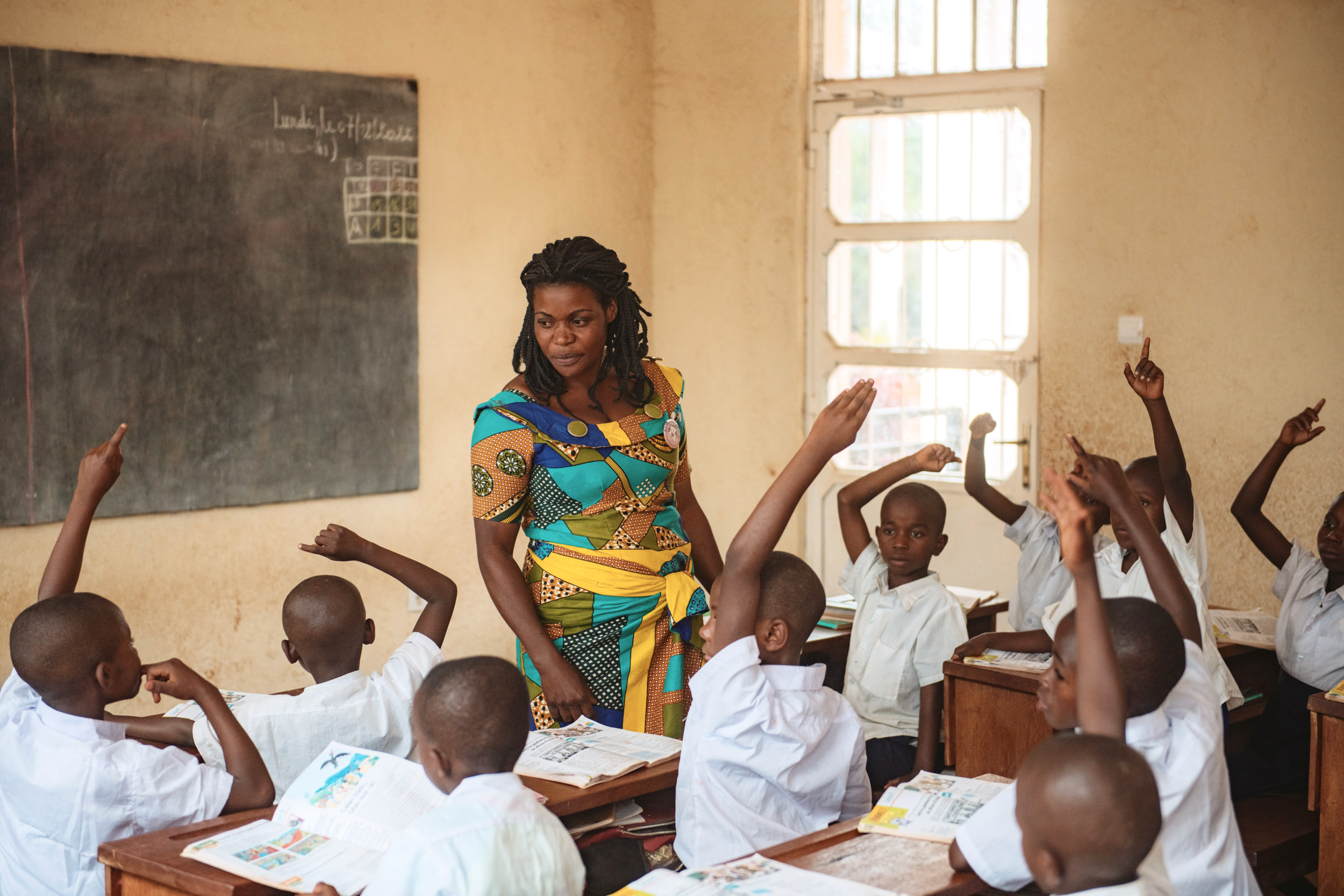
Since opening its doors in Mumosho in 2018, Congo Peace School has grown into a preschool-through-secondary school serving 755 students. At its heart is a simple idea: students are better able to learn when they are safe, nourished, healthy, supported and given opportunities to discover what they can do
That approach is especially important in South Kivu, where years of conflict and displacement have disrupted education and placed enormous pressure on families and communities. This year, nearly 200 students displaced by conflict are learning alongside students from the surrounding community.
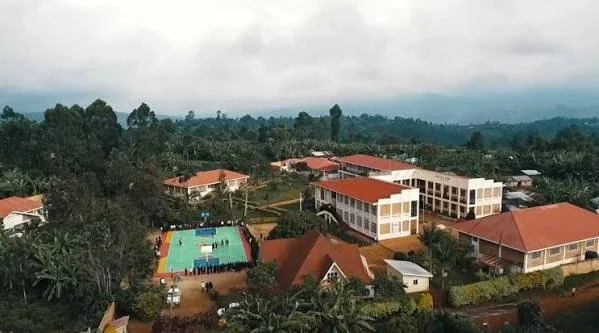
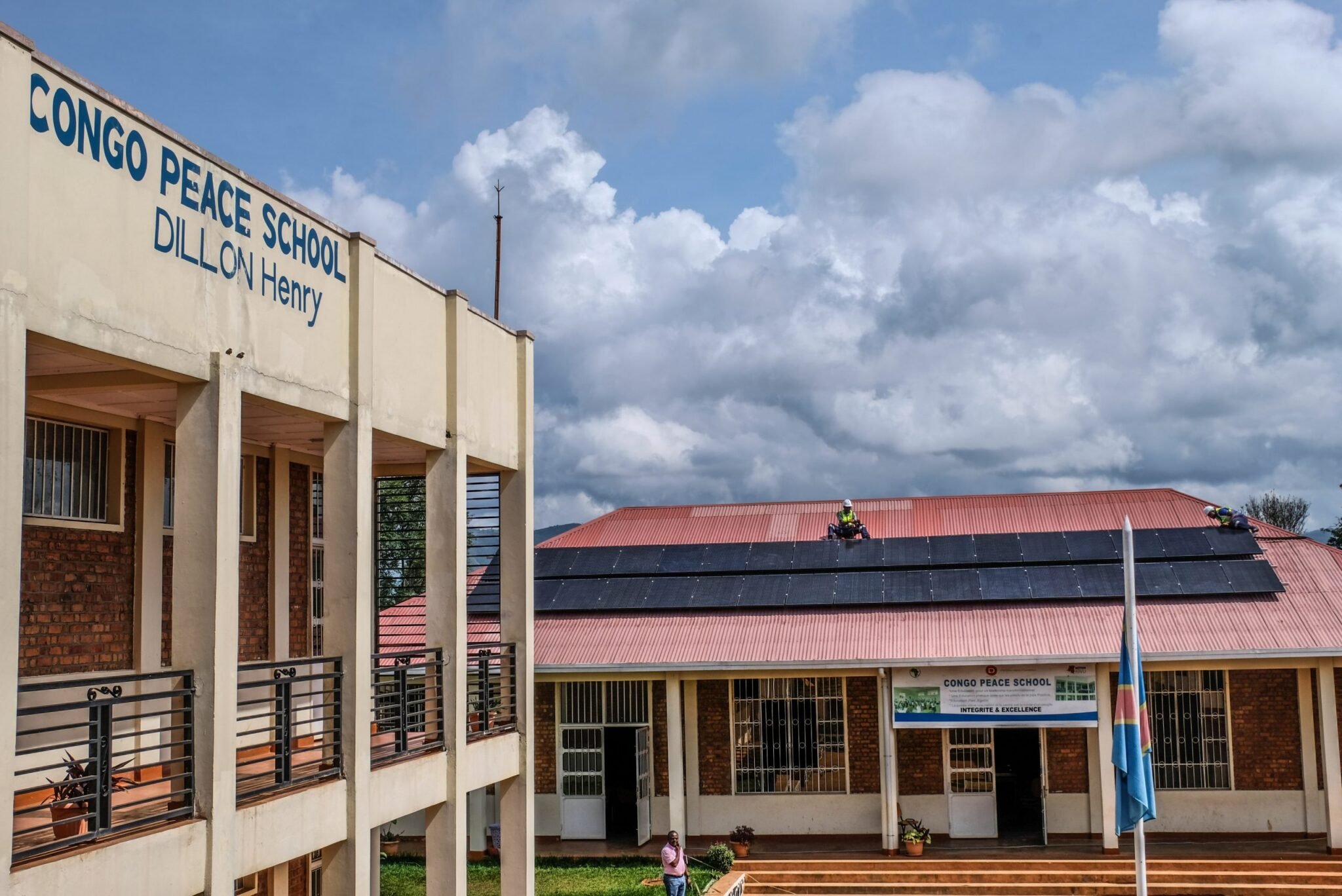
Rather than separating academic achievement from the realities students face outside school, CPS addresses them together. Students receive two nutritious meals each school day, access to clean water and sanitation, uniforms and school supplies, menstrual hygiene products, counseling and trauma-informed support. A library of more than 3,000 books, a solar-powered computer lab, sports facilities and opportunities for creative and practical learning expand what is possible beyond the standard curriculum.
Peace Is Practiced, Not Just Taught
Nonviolence is not a single class or occasional activity at Congo Peace School. Principles of dignity, equality, empathy, dialogue and nonviolent conflict resolution are integrated throughout school life.
Students learn to resolve disagreements without violence, listen across differences, work cooperatively and take responsibility for their community. Teachers reinforce those principles through their own classroom practices and relationships with students.
In a region where generations have experienced conflict, CPS gives students a place to practice a different way of living together every day.
Learning Connected to Life
CPS combines the Congolese national curriculum with opportunities that prepare students to participate fully in their communities and an increasingly connected world.
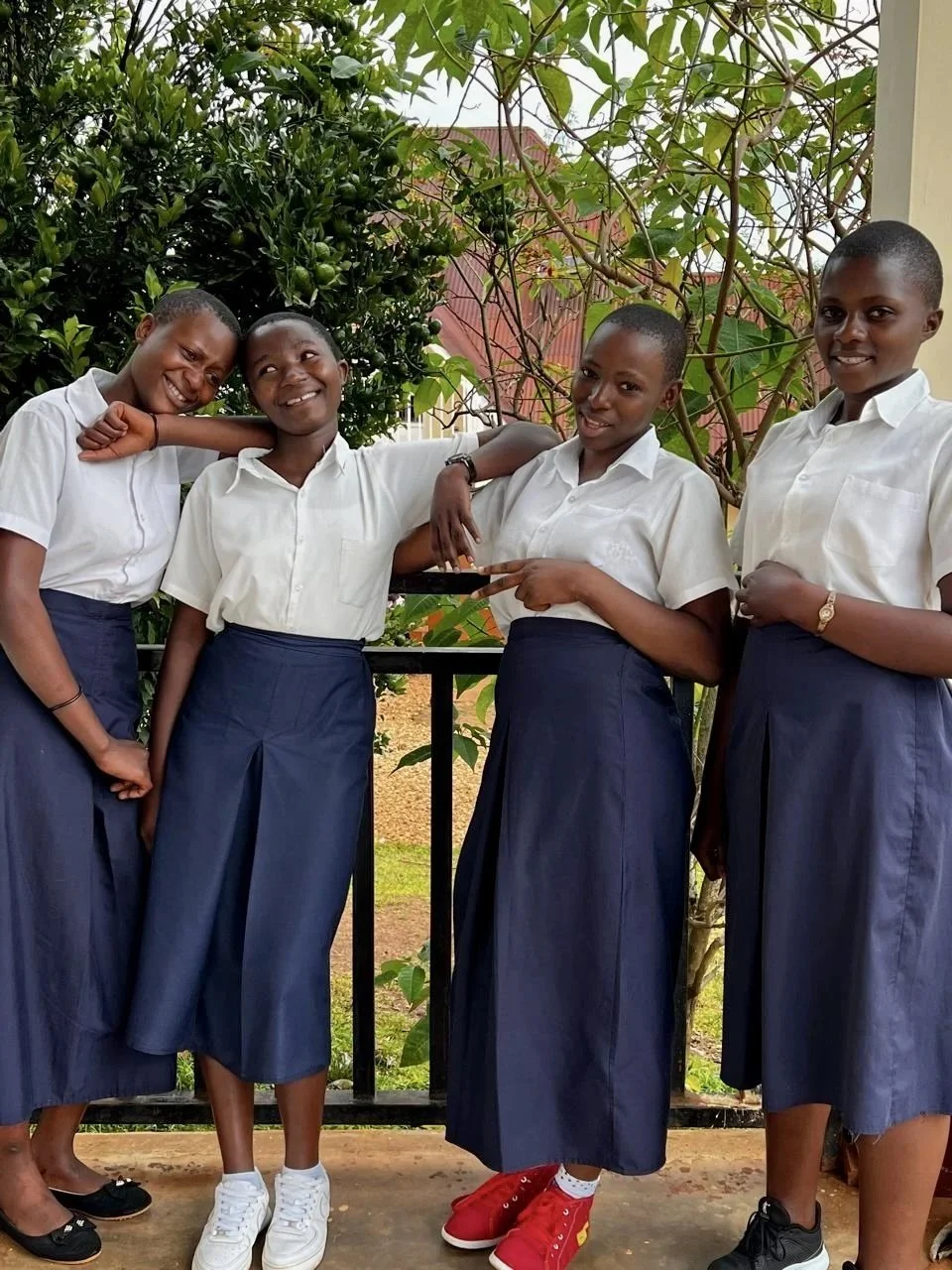
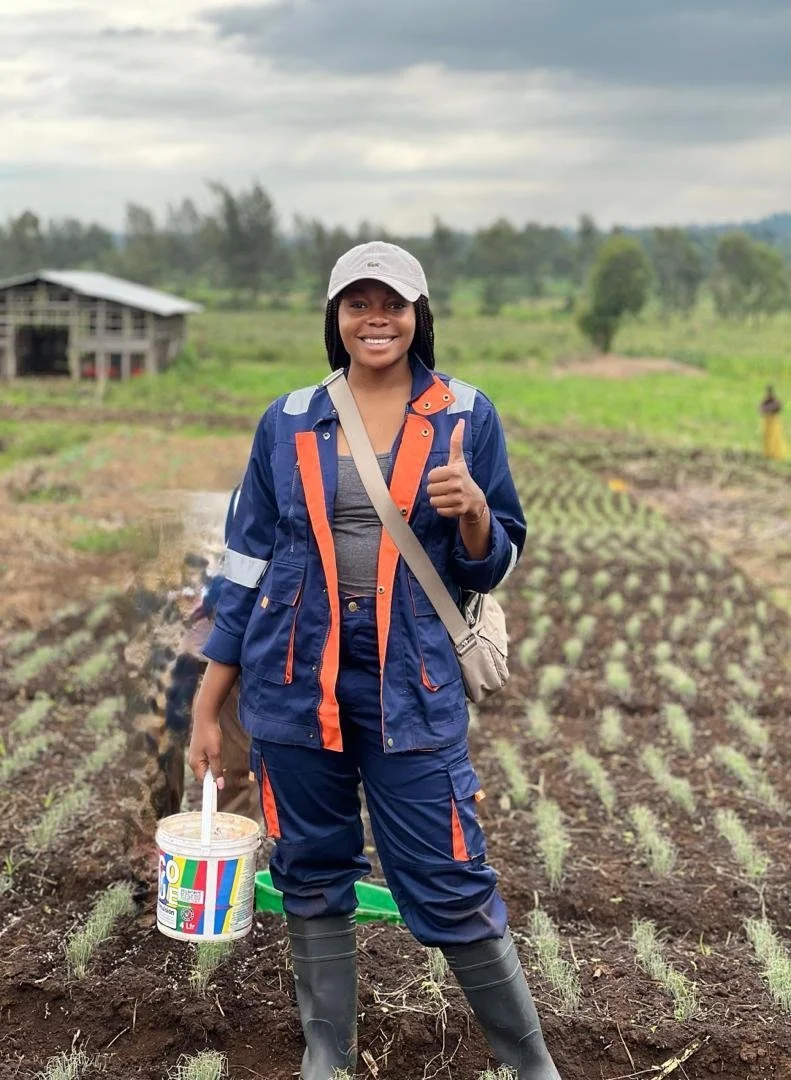
Students develop digital skills in the school’s solar-powered computer lab, learn about regenerative agriculture, food security and environmental stewardship, and participate in football, basketball and other forms of active play. Girls and boys have equal opportunities to learn, use technology, play sports, create and contribute across school life.
These experiences are not extras. They are part of an education designed to develop critical thinking, confidence, cooperation and the practical skills students can carry beyond the school gates.
Locally Led in South Kivu
Congo Peace School was founded by Congolese nonprofit ABFEC under the leadership of Amani Matabaro. Its 56-member local staff teaches, feeds and supports students while responding to the needs of families and the community.
Local leadership is fundamental to CPS. Priorities are set in South Kivu, programs are led by people who know the community, and resources are invested in an institution built to serve it for generations.
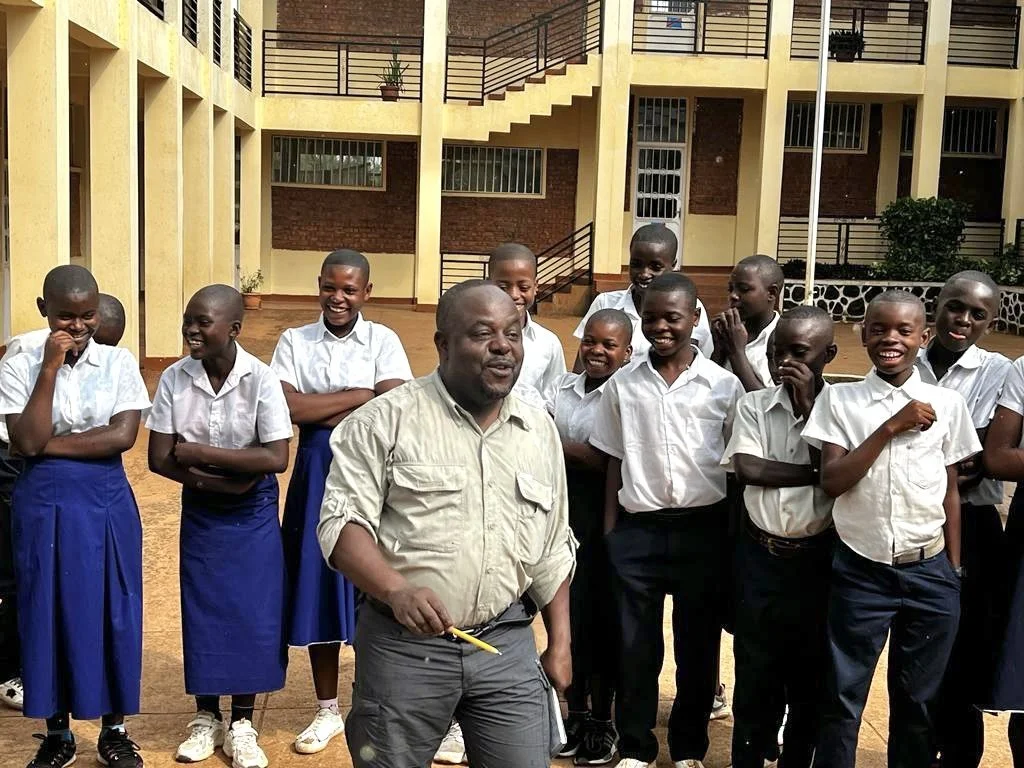
Action Kivu mobilizes funding and partnerships to make that work possible, connecting donors and institutional partners with a locally led school demonstrating what sustained investment in education, peace and opportunity can make possible.